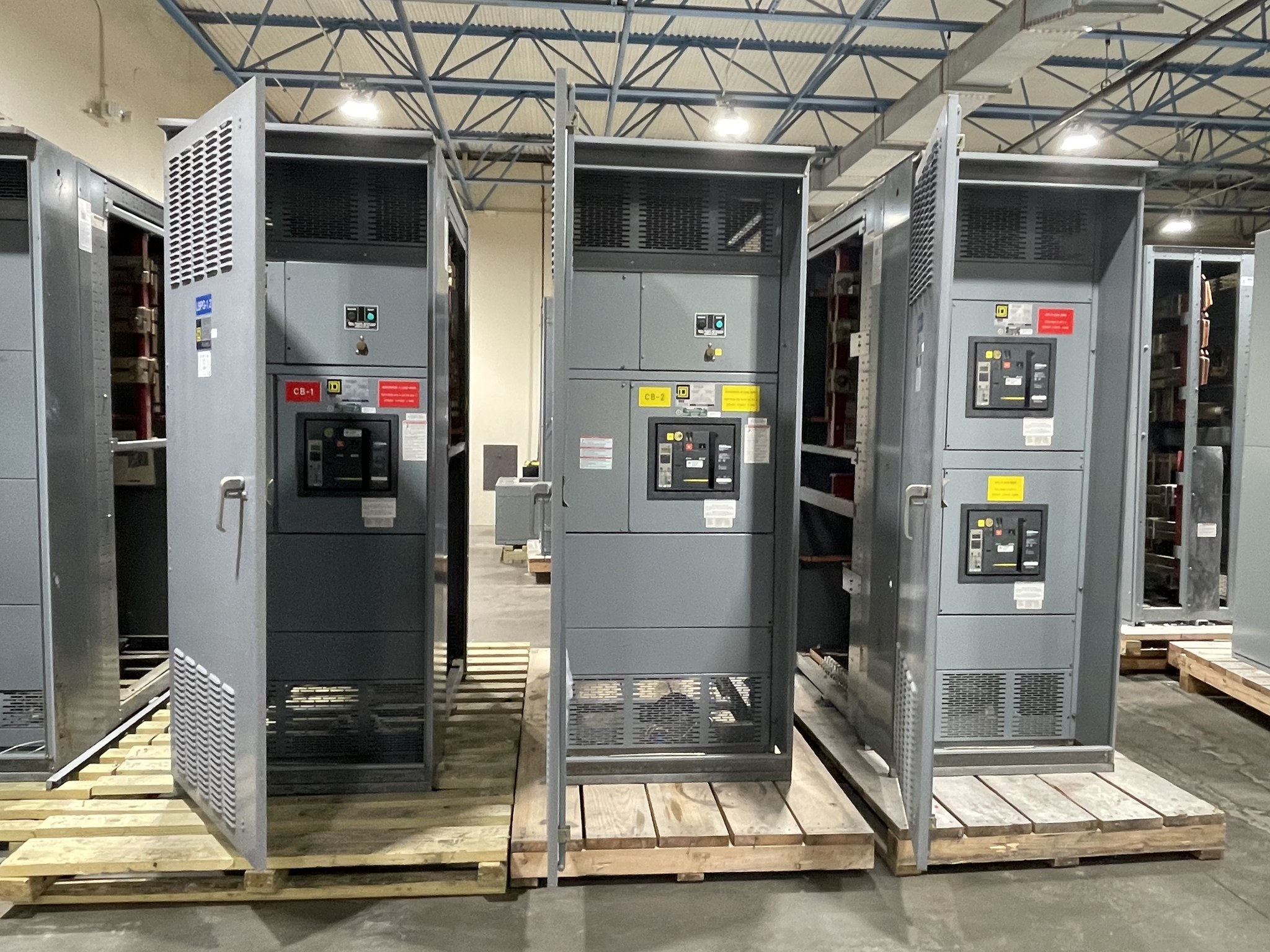
Separate the disconnect from the dryer in your inventory
A dryer is process equipment; the fusible disconnect serving it is electrical distribution equipment. Describe the disconnect as its own item rather than listing the entire dryer as electrical gear. Record the quantity, enclosure type, visible manufacturer and any model or catalog numbers on safely accessible exterior labels. Those details help a buyer identify what is being offered without assuming the dryer, wiring or other controls are included.
For example, a hypothetical farm operation retiring one dryer might have a wall-mounted fused switch, a separate control panel and a length of feeder cable. An inventory could identify the switch and state whether the other items are included, excluded or still being assessed. Do not remove covers to improve the description; existing records and information visible from a safe location are sufficient for an initial conversation.
Record fuse class and feeder information as separate facts
Fuse class is a key identification detail, but the class printed on an existing fuse or listed in paperwork does not establish the switch's full suitability or condition. If records identify the fuse class and ampere rating, report them as documented and distinguish those facts from markings on the disconnect. Do not pull fuses, open an enclosure or operate the switch to check what is installed.
Capture feeder details independently: documented conductor or feeder ampere rating, voltage rating, and any available circuit or equipment schedule. Ampere rating describes current capacity; voltage rating describes the electrical potential for which equipment is rated. Neither can be inferred from the other, and a page title or seller's shorthand is not verified rating information. Mark unclear or conflicting records as unconfirmed rather than resolving them by guess.
Describe dust history without diagnosing the equipment
Grain handling can make dust exposure an important part of the disconnect's history. Note, in plain terms, whether the equipment was in a dusty area, whether dust was routinely visible on the exterior, and whether it was sheltered or exposed to weather. These are observations, not a condition certification. Existing service notes or maintenance records may add context, but no one needs to open the enclosure or perform an inspection for a preliminary inquiry.
Distinguish known events from assumptions: for instance, a hypothetical record might say the disconnect was mounted near a dryer and the exterior was cleaned periodically, while the interior condition is unknown. Mention any known damage, missing parts or prior service documented by the owner. Avoid describing equipment as tested, safe, de-energized or ready for reuse unless that status is established through appropriate records and qualified professionals.
Clarify ownership, configuration and the retirement boundary
Before requesting an offer, establish that the person coordinating the sale can authorize disposition of the disconnect. Identify any ownership approval, lien, lease or project closeout issue that still needs resolution. Then clarify what remains connected or included in the proposed sale: the switch only, its enclosure, associated fuses if already separately documented, or other listed components. A clear boundary prevents confusion between the disconnect and the retired dryer system.
A hypothetical retirement list could show one disconnect as a standalone item, with its feeder excluded because it remains part of the site's electrical infrastructure. Another list might include multiple similar switches, each identified separately by its own label information. Similar appearance does not prove identical ratings. Keep items and records associated where practical, and tell the buyer when quantities or configuration are still being confirmed.
Coordinate review and removal around the site plan
Send the buyer the available exterior label information, photographs taken without approaching energized apparatus, relevant paperwork, quantity and a concise account of dust exposure and known condition. The Illinois buyer reviews the particular equipment and project details before making a specific cash offer; an inquiry is not a promise that every item will be accepted. No seller testing is required. If a review needs clarification, provide existing documentation rather than attempting electrical checks.
For accepted equipment, payment is upfront, not after pickup, and freight is covered. The buyer can coordinate appropriate qualified professionals for electrical work as needed, along with disconnects, crane or rigging, loading, hauling and transport. Do not dismantle, rig or move the equipment yourself. Discuss site access, pickup boundaries, scheduling constraints and any required site coordination early so the removal plan can be reviewed for the actual location and equipment.
Common questions
Should I report a fuse class if I cannot see it without opening the disconnect?
No. Use existing schedules, service records or safely accessible exterior information, and label the fuse class unknown if documentation does not establish it. Do not open the enclosure or remove fuses to identify them.
Does the grain dryer’s nameplate establish the disconnect’s ampere or voltage rating?
No. Dryer information does not verify the disconnect rating. Record documented disconnect and feeder ampere and voltage ratings separately; if paperwork is missing or inconsistent, state that the values are unconfirmed.
Do I need to disconnect or rig the switch before asking for an offer?
No. Provide the available inventory details and coordinate the site plan with the buyer. For accepted equipment, appropriate professionals can handle electrical work and removal logistics; payment is upfront, before pickup.