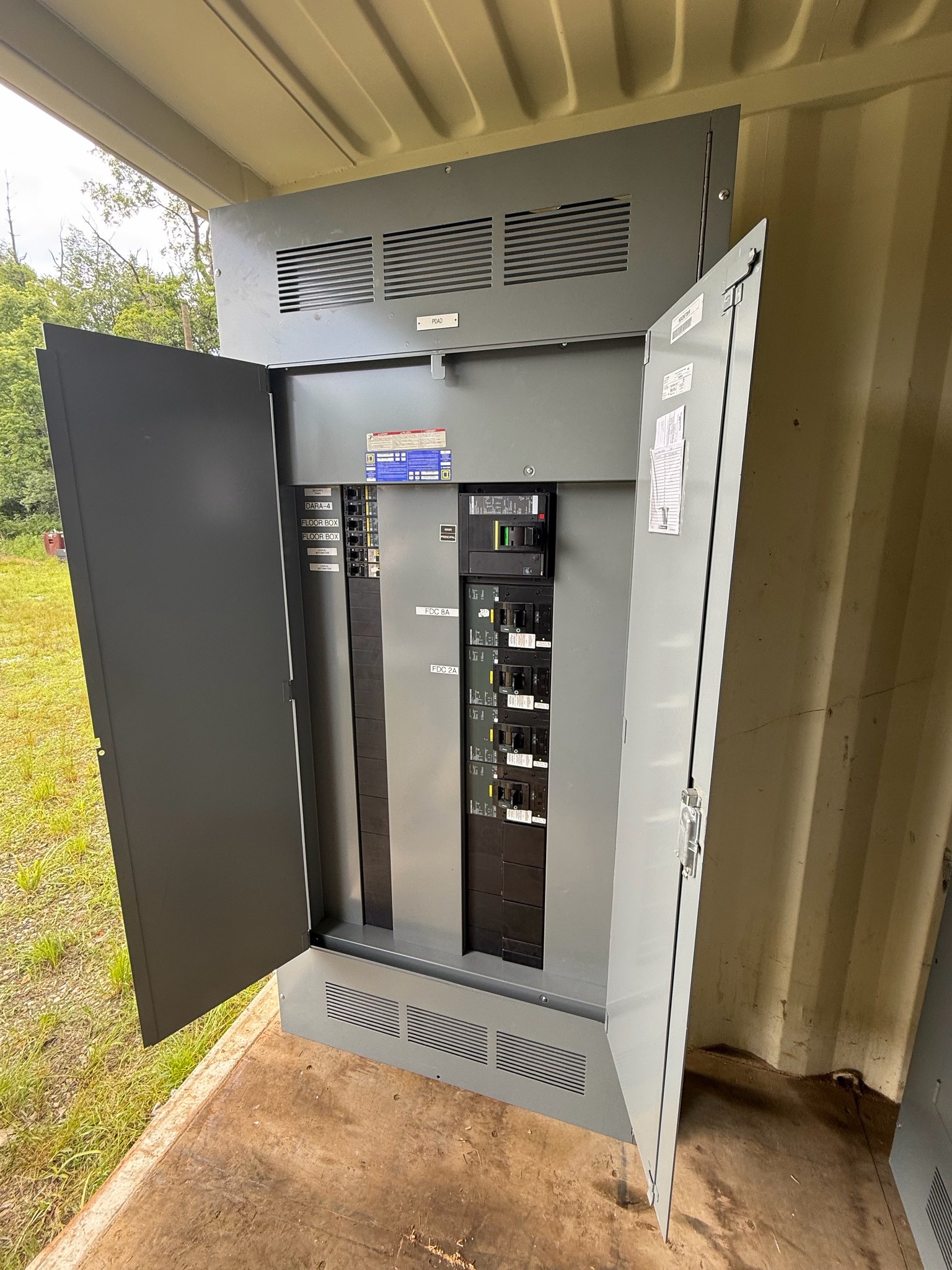
Build a starter-by-starter picture of the pump lineup
Start with the equipment schedule, one-line diagram, panel schedule or other existing documentation. Record the lineup identification and, where paperwork supports it, each bucket or compartment’s starter size and motor assignment. Starter size is useful for distinguishing positions in a pump-room lineup, but it is not the same as an MCC’s voltage rating or a motor’s actual operating load. Keep those details separate rather than estimating one from another.
If the records are incomplete, note which positions are identified and which remain uncertain. For example, a hypothetical lineup might have three documented pump starters and two positions whose labels are illegible; say so rather than assigning ratings from appearance. A buyer can review the available information and ask focused follow-up questions. Describe labels only as they appear in existing paperwork or safely accessible exterior views; do not open enclosures to improve the inventory.
Describe disconnects without overstating what is included
For each pump position, note whether existing documents identify a disconnect, and whether it is shown as part of the MCC, separately mounted, or not clearly accounted for. Include any available catalog or model identifiers from records, plus visible exterior labels when they can be read without approaching hazardous equipment. This helps clarify the offered configuration and prevents a separate device from being mistakenly represented as an MCC bucket or included accessory.
A practical inventory might distinguish “disconnect documented in the lineup schedule” from “nearby disconnect, ownership or inclusion unconfirmed.” That distinction matters when a pump room has been modified over time. Do not operate handles, remove covers, trace wiring, or infer internal condition. The buyer can consider the described lot and request clarification about scope, while any electrical work needed for a transaction or removal is handled by qualified professionals as appropriate.
Record washdown exposure as a condition detail
Pump rooms can involve routine cleaning, splash, humidity or other moisture exposure, but a general description such as “washdown area” does not establish an enclosure rating or prove the MCC’s condition. Share what is known from site records and routine operating history: for instance, whether the lineup was installed in a room subject to washdown, whether cleaning practices changed, or whether water exposure has been reported. Separate documented history from recollection or uncertainty.
Existing exterior information may help describe visible condition, provided it can be viewed safely from an appropriate location. Do not touch the lineup, inspect inside, or take measurements. If a hypothetical seller knows one section was replaced after a facility modification but cannot confirm the reason, that is more useful than presenting it as a washdown failure. The buyer reviews the details; no seller testing is required, and uncertain condition should be stated plainly rather than concealed or guessed at.
Assemble records that connect the equipment to the offered lot
Useful material can include equipment schedules, one-lines, installation or modification records, motor lists, available nameplate transcriptions, and photographs of safely accessible exterior labels. Match documents to the specific lineup where possible, and flag pages that may cover other equipment. Include manufacturer and model identifiers as identification information, not as an endorsement or indication of a relationship with the manufacturer. If paperwork conflicts, list both versions and explain what is uncertain.
Ownership and sale authority deserve the same care as technical identification. Confirm who owns the MCC and whether the person communicating for the organization can arrange its sale. Note whether associated buckets, separate disconnects, spare parts or adjacent equipment are included or excluded. A concise inventory can prevent confusion later, especially in a decommissioned or changing facility where records may describe an earlier arrangement rather than the equipment now on site.
Plan removal around the pump room and payment terms
When you contact the Illinois buyer, provide the Kane County location, a brief description of the lineup, the starter and disconnect information you have, washdown history, available documentation, and any known site-access or scheduling constraints. Mention the route to the equipment, loading-area limitations, and whether crane or rigging coordination may be relevant, without undertaking removal yourself. The buyer reviews the lot and site details before discussing a specific offer; acceptance and terms depend on that review.
The buyer purchases used, surplus and decommissioned electrical equipment, including MCCs, across voltage classes. For an agreed purchase, payment is upfront—never after pickup—and the stated terms include cash offers, no seller testing requirement, and covered freight. The buyer handles disconnects, crane and rigging, loading, freight and hauling, with qualified professionals performing electrical work as appropriate. The seller’s role is to provide accurate information and coordinate access, not dismantle, rig, test or move the MCC.
Common questions
Should I list starter sizes if I cannot verify every pump assignment?
Yes. Identify sizes supported by existing schedules or records, and mark uncertain assignments as unknown. Do not estimate from appearance or treat starter size as the MCC voltage rating; the buyer can review the distinctions.
How should I describe washdown exposure if the room’s history is incomplete?
Separate confirmed records from recollection. State what cleaning or moisture exposure is known, what is uncertain, and whether any reported condition is documented. Do not open equipment, test it or infer an enclosure rating.
Do we need to disconnect or load the pump MCC before requesting an offer?
No. Share the available inventory and coordinate site access. For an agreed purchase, the buyer covers freight and handles removal logistics, including disconnects, rigging and loading; payment is upfront, before pickup.