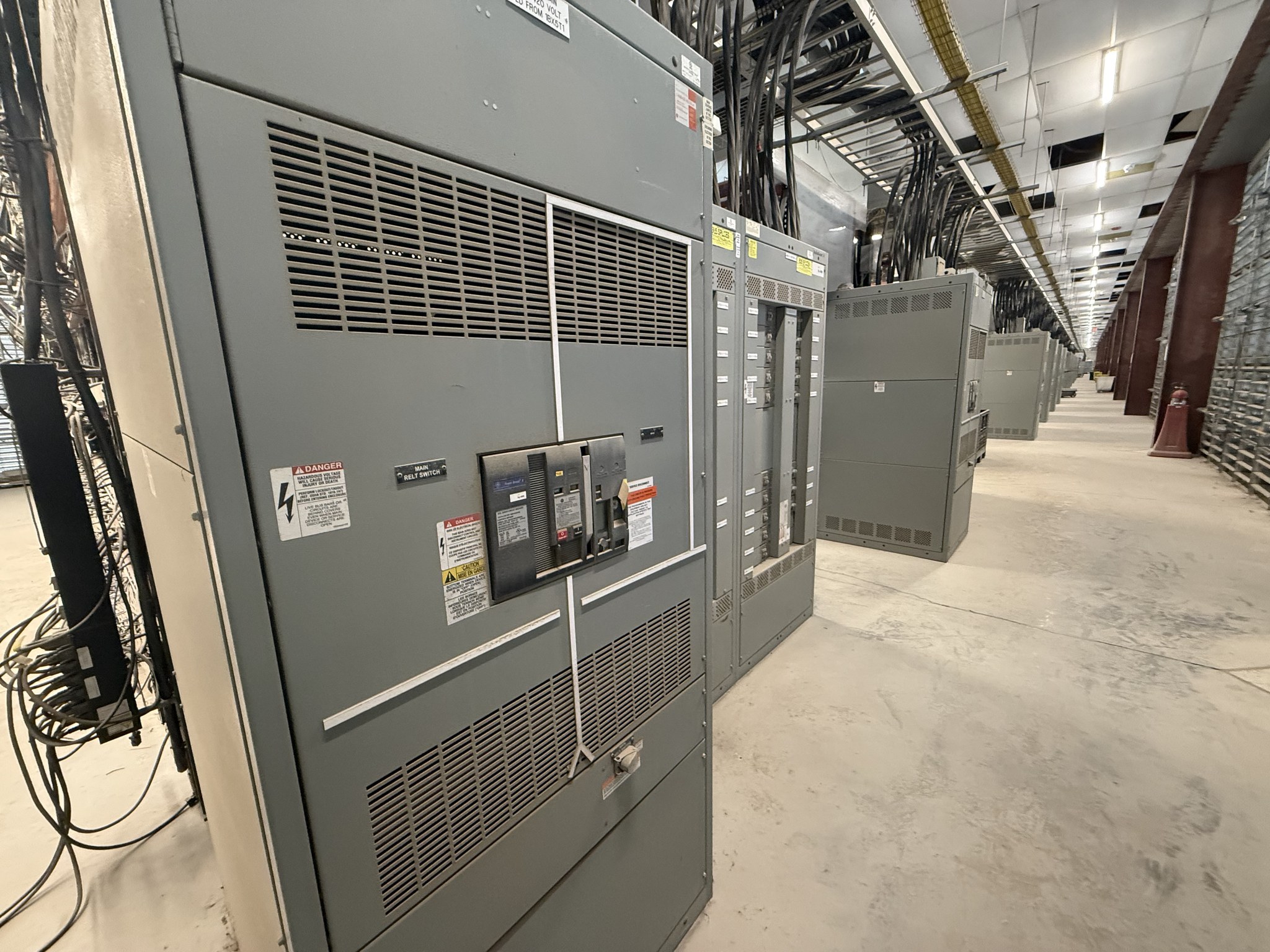
Separate the aeration controls from the grain-handling equipment
Start by describing the electrical control equipment itself, not the aeration system as a whole. A site may have a panel that controls one fan, several fan circuits, or a broader ventilation arrangement, while the fans and ductwork remain installed or belong to a separate disposition. Note what is included: the enclosure and its installed components, loose associated parts, or multiple panels. Avoid counting motors, fans, or unrelated grain-handling machinery as part of the electrical lot unless they are genuinely included.
A hypothetical example: a facility may be retiring a fan-control panel but keeping the aeration fans for another use. In that case, the useful description is the panel’s apparent role and what accompanies it, not an estimate of the fan system’s capacity. If panel boundaries or ownership are uncertain, flag the uncertainty rather than combining equipment into a single assumed package. The buyer can review the proposed scope before discussing a specific offer.
Record feeder ratings without confusing amperes and volts
For each panel, consult existing nameplates, drawings, schedules, or other available records for feeder and main ratings. Record amperes and voltage as separate fields: an ampere rating describes current capacity, while voltage identifies the electrical system level. Neither can be inferred from the other. A listing title, a handwritten asset label, or a seller’s informal description is not verified equipment rating; identify it as such if documentation is missing.
If a schedule names a feeder but does not clearly tie it to this panel, say so. Likewise, distinguish a documented main rating from individual fan-branch ratings instead of reporting one number as if it applied to every circuit. Do not open an enclosure or operate, test, measure, or touch equipment to fill gaps. Use existing paperwork or information visible from a safe, accessible exterior location, and let the buyer know which details remain unconfirmed.
Describe enclosure markings and the dust-exposure history
Capture markings visible on the exterior, including the manufacturer, model or catalog identifiers, enclosure type, and any environmental or hazardous-location designation shown. These are identification clues, not proof of how the panel was installed or what conditions it can safely tolerate today. If a marking is weathered, incomplete, or difficult to read from a safe position, report that plainly rather than guessing. Manufacturers help identify equipment; they should not be presented as endorsing the transaction.
Give a factual account of the panel’s surroundings over time: for example, whether it was in a dusty elevator area, a cleaner electrical room, or a location with intermittent dust accumulation. Note known cleaning, storage, moisture, or contamination history if records or direct knowledge support it. Do not claim that a panel is dustproof, clean internally, or suitable for reuse based only on its exterior. No one needs to open it for this description; the buyer can consider the documented history during review.
Explain configuration, condition, and what is actually included
A concise inventory can distinguish a complete control panel from an enclosure with missing or unknown components. Describe visible door-mounted controls, indicators, selectors, or labels only when they can be seen without opening or operating anything. Note known removals, prior modifications, missing nameplates, or documented faults. If the panel’s internal configuration is unknown, say that rather than implying it is intact. Existing drawings, service records, or photographs already available can add context without requiring new testing.
Clarify whether the offer discussion concerns one panel or a group, and whether spare parts or detached components are included. A hypothetical lot might contain two similar-looking enclosures, one with a legible exterior nameplate and one without; list them separately rather than assuming matching ratings or contents. Used and surplus equipment can differ substantially even within one site. Any specific offer and the equipment details remain subject to review, so accurate scope helps prevent confusion later.
Coordinate site access and removal with the buyer
When contacting the Illinois buyer, share the location in Macon County, the number of panels, available identification details, ownership or authorization information, and any known access constraints. Mention whether the equipment is at an operating site, a shutdown facility, or a decommissioned area, but do not assume that it has been disconnected or de-energized. Electrical work, when needed, should be handled by qualified professionals; the seller is not expected to dismantle, rig, test, or move the panels.
The buyer purchases used, surplus, and decommissioned electrical equipment, including control panels and other equipment across voltage classes. Terms include a cash offer, payment upfront, no seller testing requirement, and freight covered. For an agreed purchase, the buyer handles the removal logistics—including disconnects as appropriate, crane or rigging needs, loading, freight, and hauling—so the seller does not have to arrange panel movement. Discuss site access and a specific offer directly; no acceptance or schedule is guaranteed before review.
Common questions
What information is most useful if the aeration panel’s feeder ratings are unclear?
Share existing drawings, schedules, or legible exterior nameplate information, and identify what is unknown. Keep amperes and voltage separate; do not infer either rating from a title, motor description, or the other value.
Should I open the panel or test its fan-control circuits before contacting the buyer?
No. Seller testing is not required, and you should not open, operate, touch, measure, or test the equipment. Use existing records or safely accessible exterior information, and leave any electrical work to qualified professionals.
Do I need to disconnect or arrange hauling for panels in Macon County?
For an agreed purchase, the buyer handles removal logistics, including disconnects as appropriate, rigging, loading, freight, and hauling. Discuss access and site conditions first; payment is upfront, not after pickup, and details are subject to review.