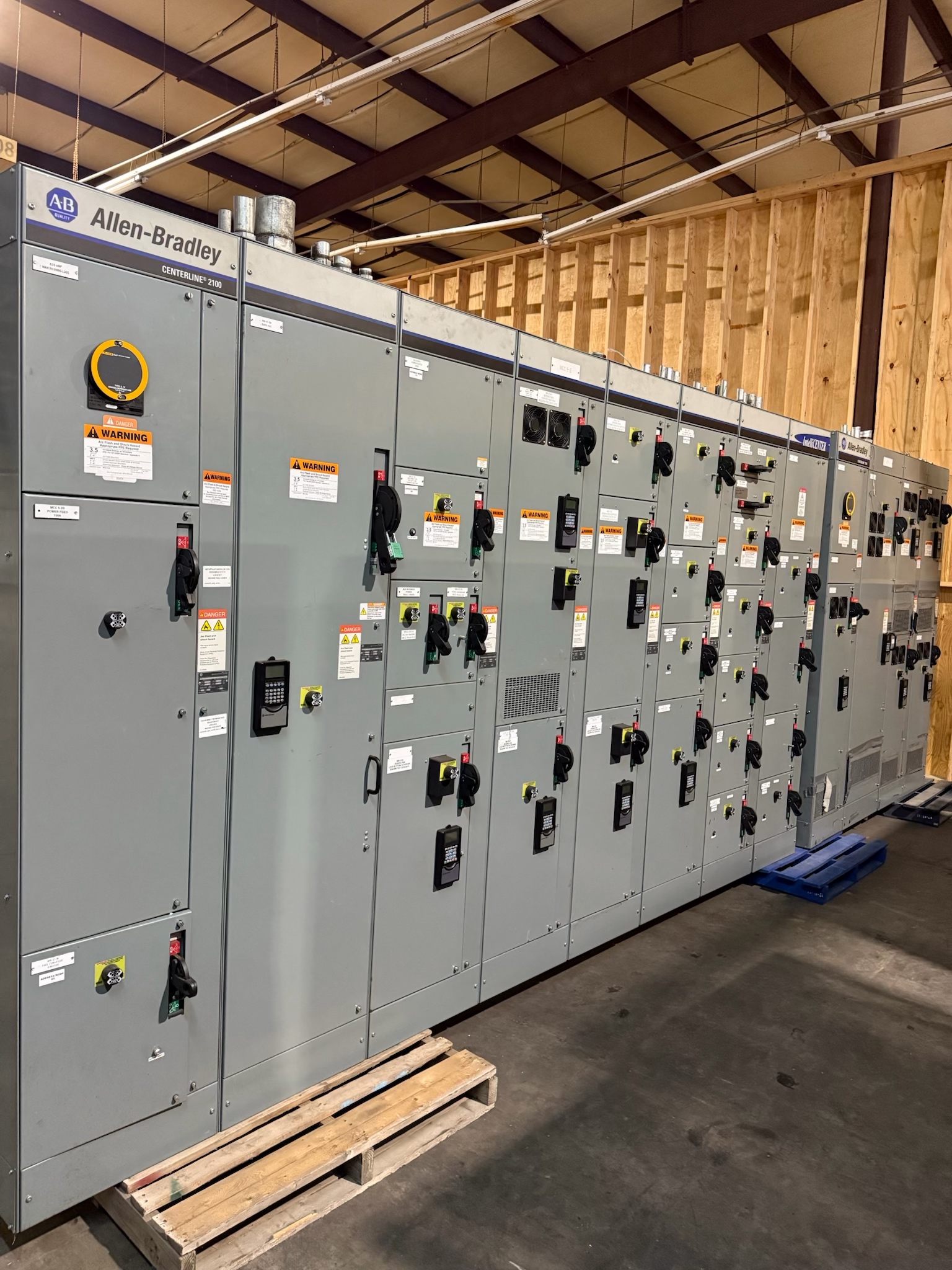
Map the shore-power assembly, not just the cabinet
Start with a component list based on existing records and safely accessible exterior information. Identify each distribution panel or section, its manufacturer and model if legible, nameplate details, and any associated connector assemblies, cable reels, pedestals, or local disconnects. Make clear which items are included in the proposed sale and which remain part of the terminal. A panel title alone does not verify its electrical ratings.
For example, a hypothetical terminal might offer one shore-power distribution cabinet and two matching connector pedestals, while retaining its feeder cable and dockside disconnects. Describe that boundary explicitly rather than calling the entire setup a “shore-power system.” If drawings, equipment schedules, or prior project lists are available, they can help connect names and tags to physical items without opening an enclosure or approaching electrical apparatus.
Record panel and connector ratings as separate facts
Capture voltage and ampere ratings from existing nameplates or documentation as distinct fields. A connector’s current rating does not establish the panel’s voltage, and a panel’s ampere rating does not identify the connector rating. Note the wording and location of each label, including whether it refers to an individual outlet, a section, or the complete assembly. If a value cannot be confirmed from safe exterior information or paperwork, mark it unknown.
Shore-power equipment may include more than one connector type or rating, especially where a terminal has been modified over time. List each connector style and its own documented rating rather than assigning a single value to every outlet. Do not operate equipment, open covers, touch conductors, or take measurements to fill gaps. A buyer can review available information and ask follow-up questions; uncertain details should remain clearly identified as uncertain.
Describe outdoor exposure and condition without testing
River-terminal service can mean prolonged outdoor exposure, but useful condition reporting is specific rather than speculative. Note visible exterior details such as cabinet finish, weather hoods, door seals visible from outside, corrosion, impact damage, missing nameplates, or obvious alterations. Distinguish what is observed from what is inferred: “surface corrosion on lower exterior” is more informative than “failed from water.” Photographs taken from a safe position can supplement the written description.
Do not energize, operate, test, open, or inspect internal components for a sale inventory. Existing inspection reports or maintenance records may provide context, but they are not a request to conduct new work. A hypothetical listing might say that a cabinet has fading and exterior rust near its base, while its operating condition is unknown. That honest distinction helps the buyer assess the opportunity without turning an exterior review into an unsupported condition guarantee.
Set out what is included, removed, and still connected
Separate equipment offered for sale from nearby infrastructure that may not convey with it. Identify whether the offer includes breakers, meters, controls, protection devices, doors, connector pedestals, mounting frames, or spare parts, relying on records and safely visible features. Note any known missing components and whether loose parts are stored separately. Where a panel consists of multiple sections, give the section count and describe the arrangement using existing tags or drawings.
A hypothetical inventory could identify a three-section panel, two exterior connector pedestals, and a box of documented spare parts, while excluding dock cables and the terminal’s upstream feeder. This level of detail prevents assumptions about what a buyer will receive. Do not remove components to make an inventory more complete. The buyer reviews the described configuration and may request clarification before discussing a specific offer.
Coordinate review and removal around terminal operations
When contacting an Illinois buyer, share the equipment location at a useful level, the inventory, photographs of safely accessible exterior labels, available drawings, and any known site-access constraints. Mention whether equipment remains installed, what other terminal work is scheduled, and who can coordinate access. These details support review and planning; they do not mean the seller must disconnect, dismantle, rig, load, or transport the panels.
The company buys used, surplus, and decommissioned electrical equipment, including shore-power distribution equipment, and reviews the information before making a specific offer. Its terms include cash offers, payment upfront, no seller testing requirement, and covered freight. It handles disconnects, crane and rigging coordination, loading, freight, and hauling with qualified professionals as appropriate. Scope, access, and equipment details remain subject to review; no acceptance or price should be assumed before that discussion.
Common questions
What should I send if panel and connector ratings are not all documented?
Send the records and safely accessible exterior label information you have, identifying each known value and marking the rest unknown. Do not open equipment or test it to complete the inventory.
Should our terminal disconnect or remove the shore-power panels before requesting an offer?
No. The buyer handles disconnects and removal logistics, including rigging, loading, and freight, using qualified professionals as appropriate. Share site constraints and coordinate access; do not dismantle or move equipment for the inquiry.
How should I describe a connector pedestal that may not be included with the panel?
List the pedestal separately and state whether it is offered, retained, or still being clarified. Include its visible identifier and documented rating if available, without assuming it shares the panel’s rating.