Identify the disconnect—not the refrigeration plant
A main disconnect is an electrical switching device that isolates or protects a circuit; it is not the compressor, evaporator, condenser or refrigeration control system. A warehouse may have one disconnect for a larger service or separate devices for refrigeration panels, compressor groups or other loads. Describe what the device serves only as far as existing drawings, labels or asset records establish.
Start with exterior nameplates and available one-line diagrams, panel schedules, purchase records or maintenance documents. Record the manufacturer, catalog or type designation, serial number if visible, and any stated voltage and ampere ratings as separate fields. Do not infer voltage from amperage, or amperage from voltage. If an identifier is obscured, report that rather than guessing or opening an enclosure.
Document fuse details as a separate part of the assembly
For a fusible disconnect, record fuse information from existing labels, schedules or inventory records: fuse class or type, rated amperage, voltage rating, quantity and manufacturer when known. Note whether the paperwork identifies fuses as installed, stored separately or absent. A fuse’s rating is not the same thing as the disconnect’s ampere rating, and neither rating establishes the device’s voltage.
If records conflict—for example, an old schedule lists one fuse rating while a later inventory lists another—preserve both entries and note their dates or sources. Do not remove a cover or fuse to settle the question. A hypothetical listing might say, “Three fuse positions shown on the record; installed fuse type not confirmed.” That is more useful than presenting an unverified detail as fact.
Describe the enclosure and condensation history plainly
The enclosure can affect how a buyer evaluates a disconnect. From safely accessible exterior information, describe its apparent material or type if known, door and latch condition, visible dents, corrosion, missing external parts, labeling and any known modifications. Use careful wording: “visible exterior corrosion near the lower edge” is more informative than “poor condition,” while neither statement claims to establish internal condition.
Refrigerated warehouses can involve temperature changes and moisture, so a short condensation history may help explain the equipment’s setting. Use maintenance logs or staff records to note known condensation, water intrusion, recurring moisture, drainage issues or remediation, with dates if available. Do not approach energized apparatus or open the enclosure to inspect for moisture. If no history is documented, say it is unknown rather than implying the unit remained dry.
Present configuration, ownership and project context
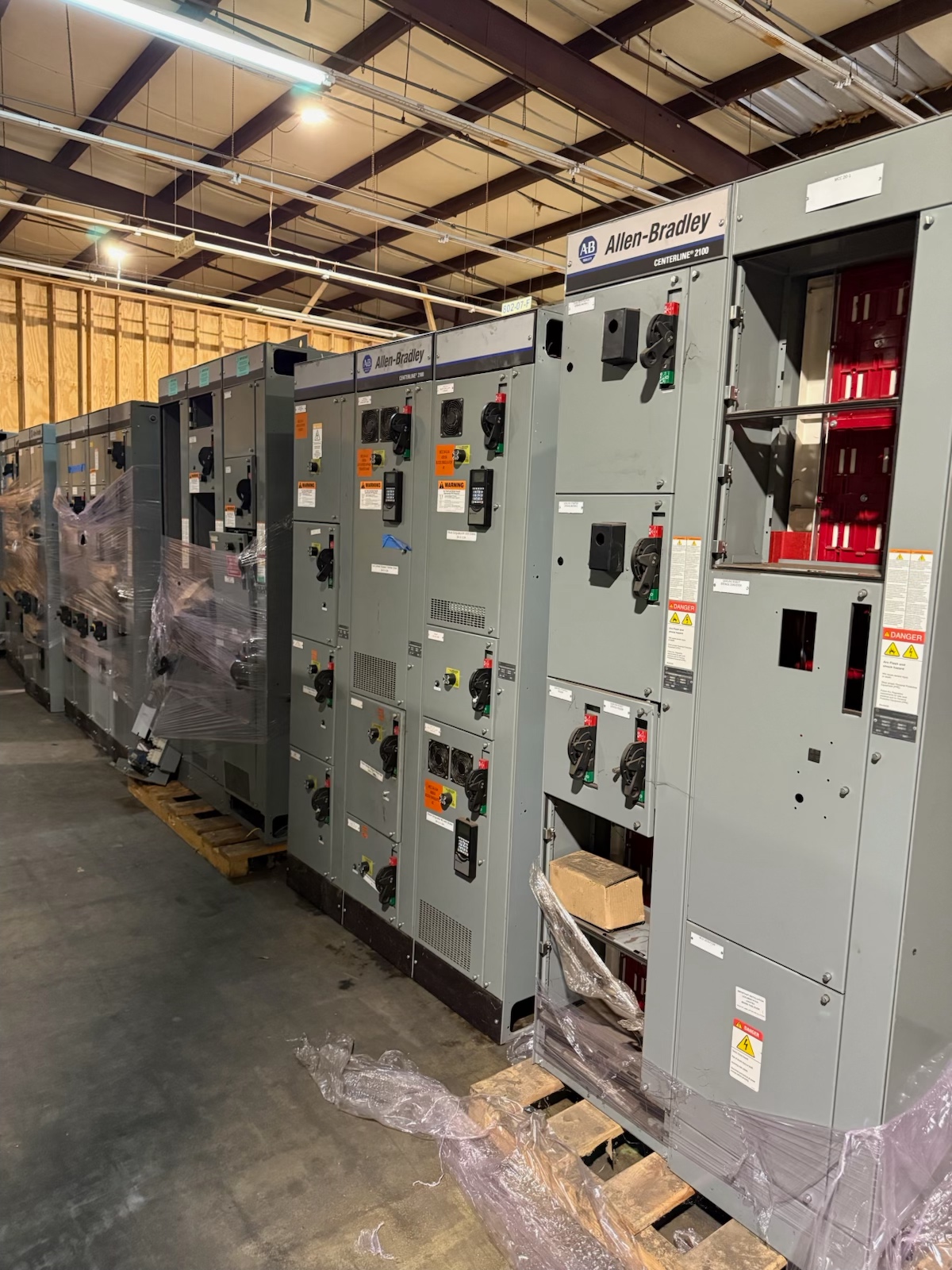
Clarify whether the disconnect is being offered alone or as part of a documented group that includes related switchgear, switchboards, motor control centers, panelboards, busway, transfer switches, breakers or unit substations. Identify what is included in the proposed lot and what is excluded, such as refrigeration machinery, controls, spare fuses or adjacent electrical equipment. Photos of safely accessible exterior views and records can help distinguish connected assets without disturbing them.
Confirm who has authority to sell the equipment and whether it belongs to the warehouse owner, a tenant, a contractor or another party. For a planned shutdown or decommissioning, a hypothetical asset note could identify the disconnect by its existing tag, state that refrigeration equipment is excluded, and flag a scheduled site-access window without promising a removal date. Clear scope helps the buyer assess the opportunity before coordinating site work.
Coordinate review and removal without taking on electrical work
An Illinois buyer of used, surplus and decommissioned electrical equipment can review a description, available records and site details before discussing a specific offer. The company buys equipment across voltage classes, including disconnects and the broader equipment types listed above. A quote is subject to review; providing complete information does not guarantee that every item will be accepted or establish a price before the equipment and circumstances are evaluated.
If a transaction proceeds, the stated terms are a cash offer, payment upfront and freight covered by the buyer; payment is not deferred until after pickup. No seller testing is required. The buyer handles crane work, rigging, disconnects, loading, freight and hauling, so the seller is not expected to dismantle, move or rig the equipment. Qualified professionals perform electrical work as appropriate, with site access and coordination discussed for the particular project.
Common questions
Should I open a fusible disconnect to verify which fuses are installed?
No. Do not open the enclosure or handle fuses for a sale inquiry. Share safely accessible exterior labels and existing schedules or inventory records, and clearly mark any fuse information that remains unconfirmed.
What should I say if warehouse records disagree about fuse ratings?
Provide both recorded values, identify their sources or dates when known, and state that the installed fuse rating is unverified. Do not choose a value by inference from the disconnect’s ampere or voltage rating.
Does a history of condensation automatically rule out the disconnect?
Not necessarily; the buyer must review the item and circumstances. Describe documented moisture events, visible exterior condition and any recorded remediation accurately. Do not claim internal condition or dryness without evidence.