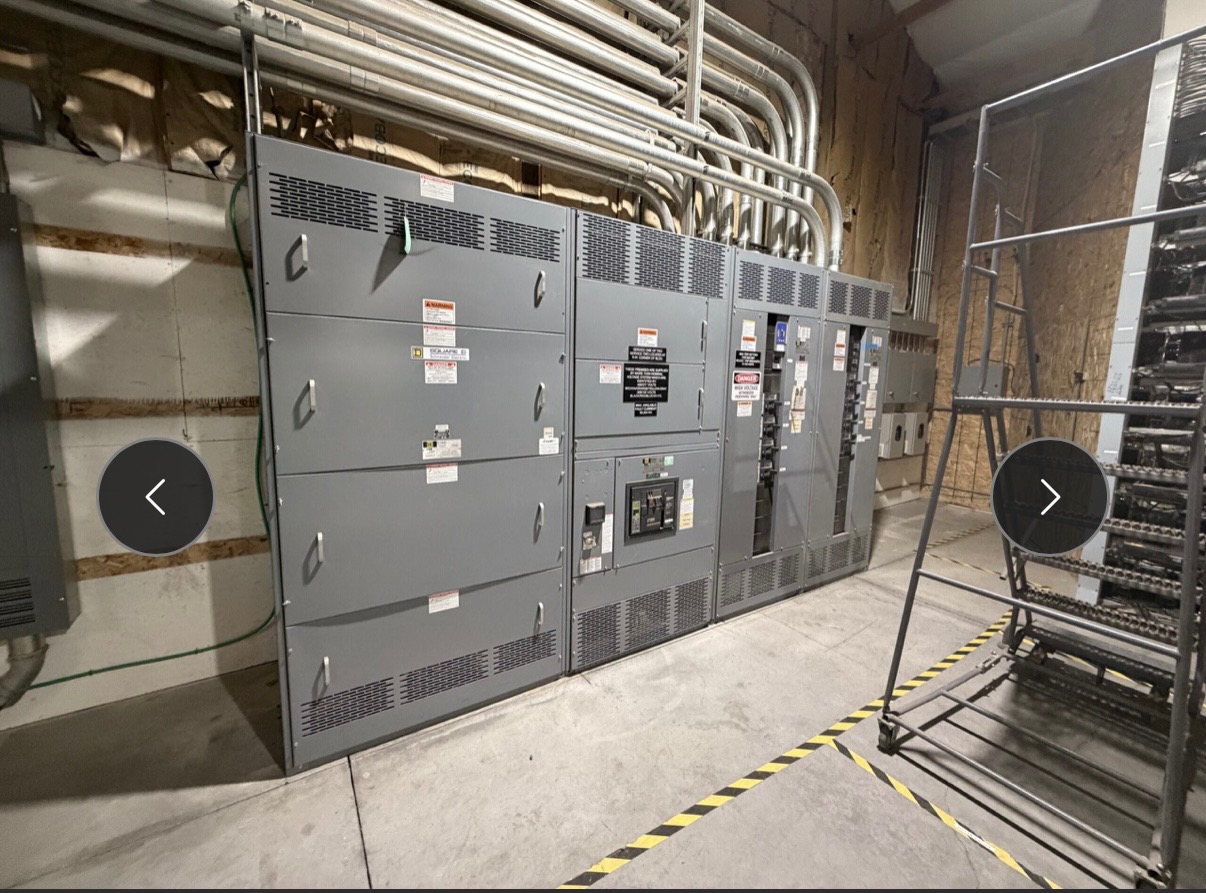
Separate the distribution gear from the generator package
A generator supplies power; switchgear distributes, protects, or controls it. During a clinic upgrade, the generator may remain in service while its distribution section is replaced, or the entire backup system may be retired. Describe the switchgear as its own equipment lot, even when it was installed beside a generator or delivered as part of a larger package. This distinction helps a buyer assess what is actually available.
For example, a hypothetical clinic might remove an emergency distribution lineup but retain its generator and fuel system. Another project might remove generator, transfer switch, and switchgear together. Neither arrangement should be assumed from a project title or a brief description. A clear account of what is included—and what is expressly excluded—helps prevent confusion during review and planning.
Record emergency circuits and transfer interfaces from existing information
Useful records can include one-line diagrams, panel schedules, equipment schedules, and project documents showing which emergency branches the lineup served. Note whether the equipment supplied life-safety, critical, or other designated loads only when existing documentation supports that description. Do not infer circuit use from a room name, breaker position, or the fact that the equipment served a clinic.
The interface with transfer equipment matters too. Existing documents may identify a separate automatic transfer switch, a bypass-isolation arrangement, or a transfer function incorporated into a larger assembly. Include manufacturer and model information where legible in safely accessible exterior documentation. Do not open an enclosure or operate equipment to confirm a configuration; a buyer can ask follow-up questions about records you already have.
Describe ratings and condition without guessing
Keep voltage and ampere ratings distinct. Voltage identifies the electrical system rating; amperes describe current capacity. Neither can be reliably inferred from the other, and a number in a page title, project note, or seller description is not a verified equipment rating. Transcribe nameplate details only from information safely visible without opening equipment, and say when a value is unclear or unavailable.
Give a balanced condition account: whether the lineup was removed, remains installed, or is awaiting removal; whether parts are visibly missing from accessible exterior views; and whether paperwork indicates a prior modification. No seller testing is required for an initial review. Do not touch conductors, take measurements, operate breakers, or approach energized apparatus to fill gaps; rely on existing records and safe exterior information.
Clarify ownership, configuration, and what the lot includes
Before requesting an offer, establish that the organization or authorized project representative can sell the equipment. Identify the owner, any removal contractor or other party with a role in the sale, and whether the equipment is already designated for disposal. If ownership is shared or unclear, resolve that question before coordinating a transaction rather than assuming the person managing the upgrade can transfer title.
Describe the physical arrangement as accurately as records allow: lineup sections, associated breakers, busway or connections, and any separate transfer switch or control equipment. Mention whether loose components and documentation are included, and identify items that are not part of the sale. A hypothetical two-section lineup with a separately retained transfer switch should be presented differently from an integrated assembly; labels and drawings can help explain the distinction.
Coordinate removal around the clinic project and site access
A buyer’s review can begin with equipment descriptions and available paperwork, followed by questions about configuration, ownership, and access. For a suitable purchase, the Illinois buyer offers cash, pays upfront, requires no seller testing, and covers freight. A specific offer and transaction details remain subject to review; these terms do not mean every item or project will necessarily be accepted.
The buyer handles crane work, rigging, disconnects, loading, freight, and hauling, so the seller is not expected to dismantle, rig, or move the equipment. Qualified professionals perform electrical work as appropriate. Coordinate site access, work windows, loading arrangements, and any clinic project restrictions with the relevant site representative. Do not assume equipment is de-energized or that electrical work is complete; communicate the known status for professional planning.
Common questions
Should I include the clinic generator when describing emergency switchgear?
Only if it is actually included in the proposed sale. Describe the generator separately from distribution equipment, and identify any transfer switch or associated gear as included, excluded, or uncertain.
What records help distinguish emergency circuits from ordinary distribution?
Existing one-line diagrams, panel schedules, equipment schedules, and upgrade documents may show circuit designations and transfer interfaces. Share what is available; do not open equipment or test circuits to verify them.
Do we need to disconnect or load the switchgear before an offer?
No. The buyer handles disconnects, rigging, crane work, loading, freight, and hauling for a purchase. Qualified professionals perform electrical work as appropriate, with access and timing coordinated for review.