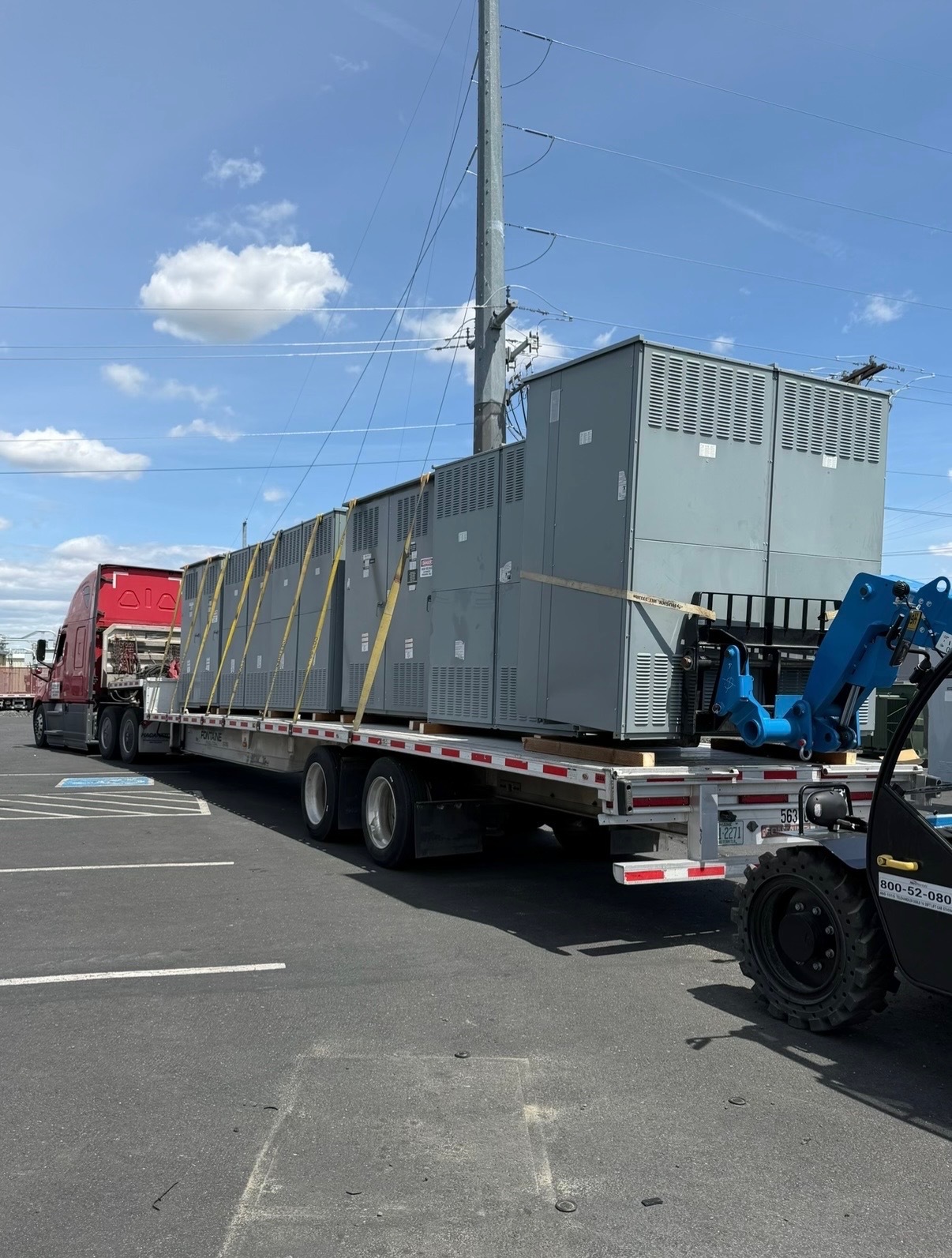
Define the lineup before describing its starters
Identify the complete MCC being offered and distinguish it from any conveyor machinery or adjacent electrical equipment that will remain at the site. Existing one-line drawings, equipment schedules and asset records can show how many vertical sections form the lineup and the order in which they are arranged. Note whether the available records match the intended sale boundary, or whether the section count and configuration still need confirmation.
Describe the included buckets or compartments as parts of that MCC, not as separate soft-starter offers. An old schedule may list a conveyor by name, but the associated bucket may have been changed, removed or reassigned. Report known missing units, blank spaces and modifications, and mark uncertain details as unknown. The buyer can assess the complete offered assembly without assuming that every original component is still present.
Separate starter information from lineup ratings
For each conveyor soft starter identified in existing documentation, provide the manufacturer, model and stated current and voltage ratings when available. Keep the units and the source of each figure clear: a starter's current rating in amperes is not its voltage rating, and neither should be substituted for the MCC main bus rating. Motor horsepower or motor full-load current, if documented, is useful context rather than proof of the starter or lineup rating.
Share any available drawings or maintenance records describing bypass hardware, such as whether a bypass contactor is built into the starter or supplied as part of the surrounding assembly. Note whether the records identify the hardware as included, absent or unconfirmed; do not assume a bypass is present because a soft starter is listed. The offer remains the complete MCC, with its installed components documented as accurately as records allow.
Explain quarry exposure without cleaning or testing
Abrasive dust can affect an enclosure differently depending on where and how it was used. Describe the known service environment: for example, whether the MCC was in a sheltered electrical room or near material transfer activity, and whether dust accumulation, moisture or corrosion has been documented. Mention past enclosure repairs, filter servicing or water intrusion only when supported by site records or observations already available to the owner.
Provide existing exterior photographs and readable nameplate images if they can be obtained from a safe location without approaching energized apparatus. A dated maintenance log or earlier image can help explain a damaged door or an observed buildup without claiming to establish internal condition. Do not open the MCC, operate controls, touch conductors, clean it or perform tests; no seller testing is required for the buyer's review.
Plan around the operating site and removal route
Tell the buyer whether the lineup is still installed, when the owner expects it to become available and whether any associated circuits or nearby equipment must remain in service. Identify the person authorized to coordinate site access and share existing drawings that show the equipment location. Confirm the seller's authority to dispose of the MCC, including any ownership or lease restrictions that could affect the proposed sale.
Use existing site information to flag gate width, road conditions, overhead restrictions, floor level and possible obstructions along the route to a truck. If equipment dimensions or weights are documented, share them without guessing; otherwise say they are unknown. The buyer handles crane, rigging, disconnects, loading, freight and hauling, and qualified electrical professionals perform electrical work as appropriate. The seller should not dismantle, rig, move or disconnect the equipment.
Make the offer reviewable
A concise inquiry can bring the information together: state the LaSalle County location, identify the complete conveyor MCC, list the known sections and starter models, and attach available schedules and exterior images. Add a short note about bypass hardware and dust or moisture history. Separate verified facts from gaps, and flag any differences between a drawing and the owner's understanding of the installed lineup.
The business is an equipment buyer, not a seller of replacement gear. It offers cash subject to review and pays upfront; all freight is covered by the buyer. Review can take account of the assembly's identity, completeness, condition and access, so missing information should be disclosed rather than filled in by assumption. Once the parties agree on a purchase, coordinate the removal plan with the buyer instead of preparing the equipment yourself.
Common questions
Can I offer just the conveyor soft starters?
This offer concerns a complete MCC lineup, not standalone soft starters. Include the starters and any known bypass hardware in the description of the assembly, and identify missing or uncertain components. The buyer can then review the offered MCC as a whole rather than treating its individual starter units as the sale.
What if the records do not identify every starter or its bypass?
Send the drawings, schedules and existing photographs you do have, and label unanswered questions clearly. Do not infer a current or voltage rating from a conveyor description, or assume a bypass exists. You do not need to open or operate equipment or test it to submit an inquiry.
Who handles removal and freight from the quarry?
The buyer handles crane work, rigging, disconnects, loading, freight and hauling, and covers all freight. Qualified electrical professionals perform electrical work as appropriate. Share known access limitations and site requirements with the buyer; the seller should not approach energized apparatus or dismantle, rig, move or disconnect the MCC.