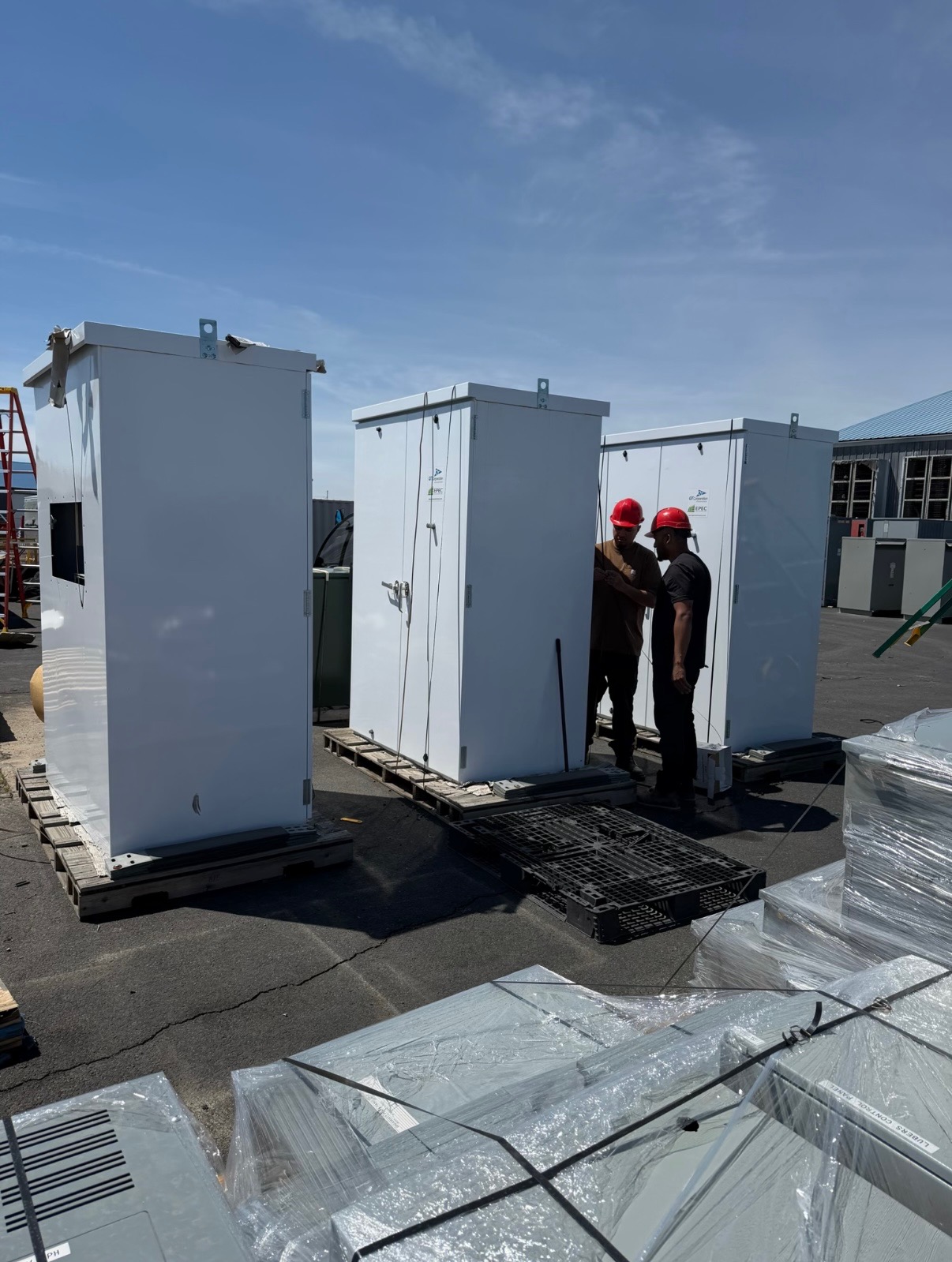
Map the HVAC lineup by function, not just cabinet size
Count the apparent fan and pump starter compartments from existing schedules, drawings, or exterior labels, then note each identified load and its area or system where records support that link. A hypothetical lineup might include supply, return, exhaust, and relief-fan starters across several sections. That functional map helps distinguish a complete HVAC MCC from a collection of unrelated buckets, without assuming every compartment remains installed or operational.
Record the nameplate details that are actually documented, including manufacturer, model or series, enclosure identification, and any stated voltage and ampere ratings. Treat those ratings as separate facts: voltage describes the electrical system rating, while amperes describe current capacity. A listing title or a seller’s shorthand is not verified rating evidence. If a plate is obscured or records disagree, identify the uncertainty rather than guessing.
Describe bypass arrangements and control variations precisely
Bypass configuration can materially change what a prospective buyer is reviewing. Existing drawings or exterior identification may show whether variable-frequency-drive bypasses are associated with selected fans, whether a bypass is across-the-line or another arrangement, and which starter sections are included. Do not infer a bypass from a drive label alone. A hypothetical retrofit may retain bypass capability on critical exhaust fans while other fan starters were changed to drive-only service.
Include known control details such as starter type, drive presence, control power information, and documented interlocks or remote-control provisions. Keep these as descriptions from records, not conclusions about present operation. Do not open enclosures, operate controls, test components, measure conductors, or approach energized equipment to fill gaps. A buyer can review the information you already have and flag which points need clarification before making an offer.
Separate documented modifications from pharmaceutical claims
Pharmaceutical facilities often have HVAC requirements that lead to changes over a building’s life, but a control center does not acquire a pharmaceutical certification merely because it served such a building. Share modification records that exist: replacement starters, added drive sections, revised fan assignments, control wiring changes recorded on drawings, or removed buckets shown on a turnover list. Distinguish original equipment from later additions when the paperwork allows.
A practical review packet can include available one-line diagrams, MCC schedules, equipment lists, nameplate photographs taken from a safe location, and modification or decommissioning records. Redact sensitive process, security, or facility information as needed. If records are incomplete, say so. For example, a hypothetical drawing may show a bypass added during a retrofit while the final as-built schedule is missing; stating that limitation is more useful than presenting the drawing as fully current.
Plan ownership, site access, and removal coordination early
Before discussing a sale, confirm who has authority to sell the equipment and whether any lien, lease, project contract, or owner approval affects disposition. In a retrofit, the MCC may belong to the building owner, a tenant, or another party; the person coordinating the project is not automatically the equipment’s legal owner. Identify the responsible contact and any site rules or scheduling constraints that could affect a review or eventual removal.
The buyer handles the physical logistics, including disconnects, crane and rigging coordination, loading, freight, and hauling, so the seller is not expected to dismantle or move the MCC. Qualified professionals perform electrical work as appropriate. Describe available access information—such as loading route, doorway or overhead constraints, and whether the lineup is in place—using records or safe observations. Do not represent the equipment as de-energized unless that status is confirmed through the appropriate site process.
Present the lineup for review and understand the offer terms
Send a concise inventory by section, with fan-starter count, known bypass locations, documented modifications, and the available rating and model information. Note missing buckets, mismatched records, visible exterior damage, or uncertainty about completeness. This lets the buyer assess the actual configuration rather than relying on a broad description such as “pharmaceutical HVAC controls.” The company buys used, surplus, and decommissioned electrical equipment across voltage classes, but each specific lineup remains subject to review.
For equipment it agrees to buy, the terms are a cash offer with payment upfront, no seller testing required, and freight covered. Payment is made upfront, not after pickup. The communication process starts with your description and supporting information; the buyer may ask focused follow-up questions before presenting terms. There is no need for you to test, dismantle, rig, or arrange transport. No offer should be assumed until the equipment and circumstances have been reviewed.
Common questions
Should I count only fan starters that still appear in the latest HVAC schedule?
Provide both the schedule count and any safely observable differences, such as vacant spaces or recorded removals. Label the source and date of each count so the buyer can distinguish documented configuration from uncertain present condition.
How should I describe a bypass if the retrofit drawings and exterior labels differ?
Report the discrepancy directly, identifying what each record says and its date if known. Do not operate or open equipment to resolve it; the buyer can review the available evidence and ask follow-up questions.
Does service in a pharmaceutical HVAC system establish a special certification for the MCC?
No. Describe the facility use as background only, and provide actual manufacturer documentation or records of modifications if available. Do not characterize the control center as certified without specific supporting documentation.