Record the enclosure markings as printed
Start with information already available: an equipment schedule, purchase record, prior inspection document, or safely accessible exterior nameplate. Transcribe the wording, symbols, model and catalog identifiers exactly, preserving punctuation and any prefixes or suffixes. If a marking is faded or partly obscured, record that limitation rather than filling in what you think it says. A readable photograph of an exterior label can supplement the transcription.
Hazardous-location designations are specific; do not infer a class, division, group, or other suitability from the plant process, a panel’s appearance, or its location. Likewise, an ampere rating describes current capacity, not voltage, and neither should be guessed from a title or seller description. Share documented ratings with their source, and distinguish confirmed plate information from notes that remain unverified.
Describe exposure history without assigning a rating
Give a concise account of where the panel was installed and what conditions it experienced, using facts you can support. Relevant context may include whether it served a process area with dust, moisture, corrosive agents, washdown, temperature variation, or vibration, and whether the installation was indoors or outdoors. This history helps a buyer understand condition; it does not establish or change the panel’s hazardous-location classification.
Separate direct observations from records and recollections. For example, you might say that plant records identify a particular service area, while a former operator recalls periodic condensation, if that is accurate. Note known repairs, replacements, coating changes, or periods out of service, and disclose uncertainty plainly. Do not approach energized apparatus or touch it to investigate; rely on existing paperwork and information safely visible from outside.
Identify what is included and how it is configured
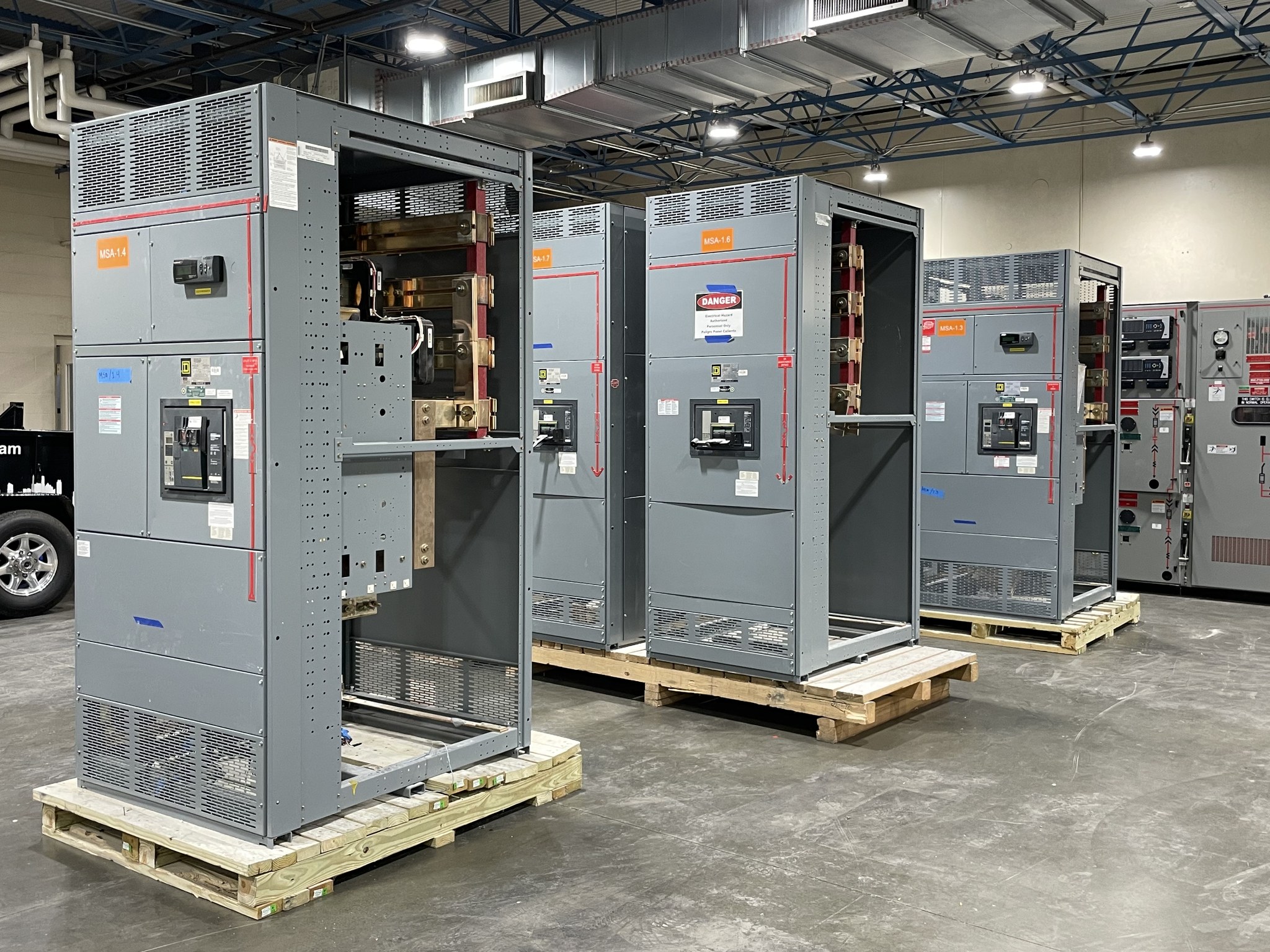
Describe the panel as a component in a larger arrangement, not just as a box. Note its documented function, approximate overall dimensions if already recorded, visible manufacturer and model, and whether it is a standalone panel, part of a lineup, or associated with other control or distribution equipment. If related sections, accessories, or documentation are included, list them separately so the scope of the offering is understandable.
Configuration can matter as much as condition. Explain whether the panel is being offered intact, with associated sections, or as part of a broader decommissioned electrical package. Do not dismantle it to create a more convenient sale or expose internal parts for identification. A hypothetical example: if records list a panel and a separate enclosure as one process-area assembly, identify both items and say whether they are included, rather than assuming the buyer will treat them as a single unit.
Share condition and ownership details for review
A useful condition summary is factual and restrained. Report visible exterior damage, missing doors or nameplates, corrosion, altered labels, known water intrusion, or missing documentation when those details are already apparent or recorded. Avoid describing internal condition unless supported by existing records. No seller testing is required, and no one should open an enclosure, operate equipment, touch conductors, measure, or test it to prepare a description.
Confirm that you have authority to sell the equipment and explain any site or project constraints that affect the proposed scope. If the panel is still installed, state that clearly rather than implying it has been disconnected or de-energized. Qualified professionals handle electrical work as appropriate. An Illinois buyer reviews the information and the specific equipment before making an offer; a description or page heading alone does not verify ratings or guarantee acceptance.
Coordinate a safe, practical removal plan
When you contact the buyer, send the marking transcription, safely obtained exterior photos, available records, exposure summary, equipment list, and a contact who can discuss site access. Mention known restrictions such as scheduling windows, escort rules, loading-area limitations, or coordination with plant decommissioning. These details help determine whether crane, rigging, disconnects, loading, freight, or hauling need to be planned for the particular equipment and site.
The buyer purchases used, surplus, and decommissioned electrical equipment, including panels, switchgear, switchboards, MCCs, busway, transfer switches, breakers, and unit substations across voltage classes. For a reviewed purchase, the terms are cash offer, payment upfront, no seller testing required, and freight covered. The buyer coordinates removal logistics so the seller does not have to dismantle, rig, load, or move the equipment. Details and any offer remain subject to review; payment is upfront, not after pickup.
Common questions
Can I identify a hazardous-location classification from the process area where the panel operated?
No. Record the exact exterior marking or provide existing equipment documentation. The service area and exposure history are useful context, but they do not verify a classification or substitute for missing rating information.
What should I do if the panel’s nameplate is unreadable or incomplete?
Transcribe only what is legible and note what is obscured or missing. Share safely accessible exterior photos and any equipment schedules or purchase records; do not open the enclosure to find more information.
Does the seller need to test or remove a panel before requesting an offer?
No seller testing is required, and the seller should not dismantle or move the panel. After reviewing the equipment details, the buyer can discuss a specific offer and coordinate applicable removal and freight logistics.