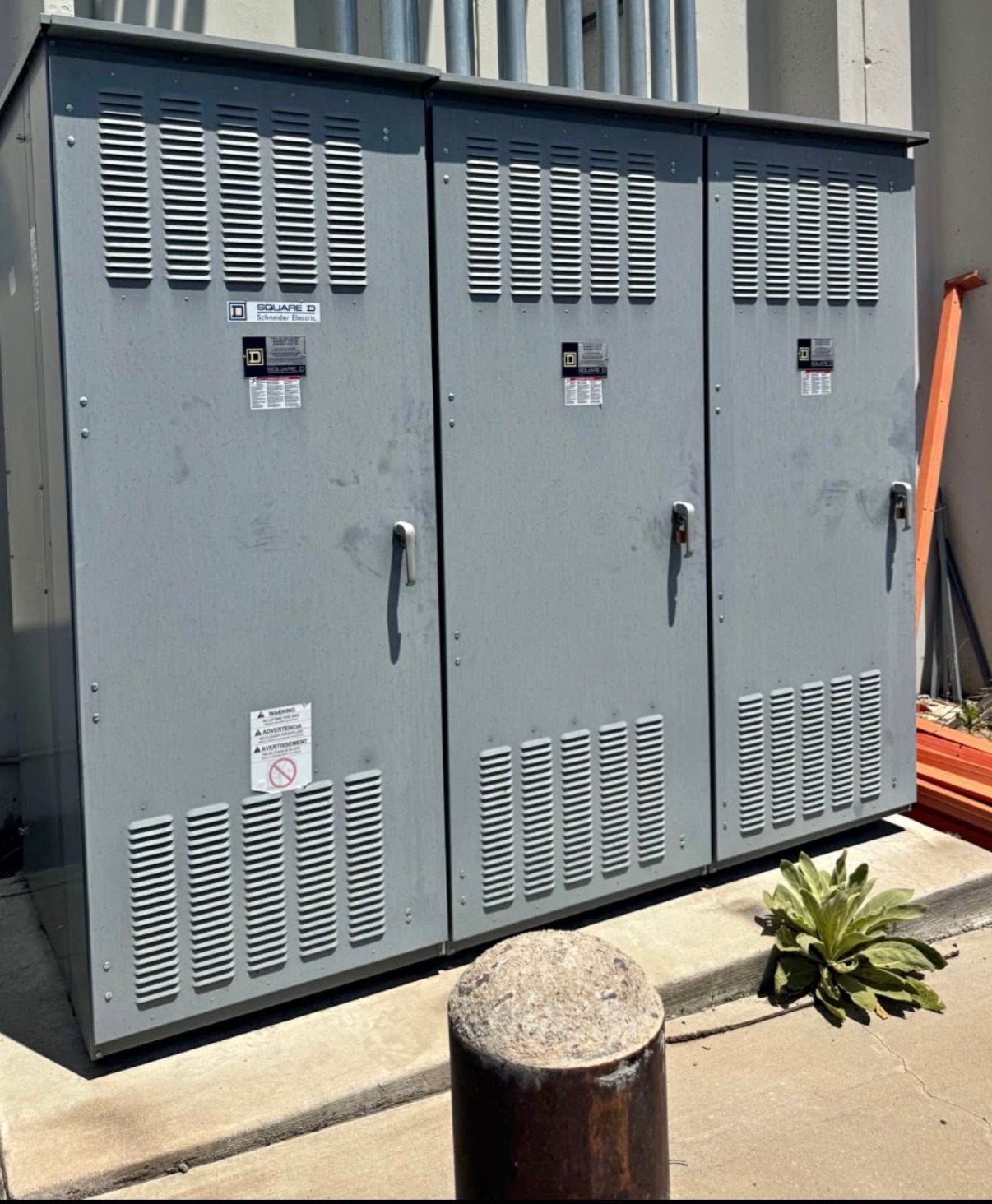
Start with the board’s identity and its place in the line
Build a simple identity record from information already available: manufacturer, catalog or model number, serial number, nameplate voltage, ampere rating, and any lineup or section identifiers. Keep voltage and amperage distinct; neither rating can be inferred from the other. Existing drawings, asset lists, purchase records, and safely accessible exterior labels may help fill gaps. Do not open an enclosure to obtain details.
Explain where the board sat in the assembly arrangement and what it served, using the plant’s existing naming conventions if available. A hypothetical record might say that a numbered lineup supplied a group of welding cells before a reconfiguration, while avoiding unsupported claims about present connections. In Belvidere, as elsewhere, this context makes the equipment easier to distinguish from nearby distribution gear with a similar appearance.
Record feeder-breaker ratings without turning the inventory into a test
For each feeder, transcribe ratings from existing schedules, drawings, maintenance records, or exterior information that can be viewed safely. Include the breaker’s identified ampere rating and, where documented, its voltage rating, frame or catalog designation, and the circuit or area it served. Note whether the record describes a breaker installed in the board or only a planned position; do not assume a blank space contains equipment.
A useful hypothetical entry could identify a feeder as serving a particular welding-line zone and list the ratings exactly as shown in a panel schedule, with the schedule date noted. If records conflict, preserve both descriptions and flag the discrepancy rather than choosing one. No seller testing is required for an initial review, and nobody should operate breakers, measure circuits, touch conductors, or approach energized apparatus to complete this inventory.
Make the modification history legible, including what is uncertain
Assembly-line changes can alter a switchboard’s configuration over time. Summarize known additions, removals, feeder relocations, replacement breakers, control or metering changes, and changes to labels or circuit destinations. Attach dated revision sheets or work orders when available. A short chronology is often more useful than a broad statement such as “modified,” because it distinguishes documented work from recollection.
For example, a hypothetical seller might report that a feeder was reassigned during a line rearrangement, while an old drawing still shows its previous destination. Identify which source supports each statement and whether the current arrangement has been confirmed in records. Do not present undocumented changes as verified, and do not remove covers to resolve questions. Qualified professionals handle electrical work as appropriate; the seller’s role is to share existing information.
Describe heat exposure as an observation, not a diagnosis
Welding areas can involve heat, airborne residue, and demanding operating conditions, but proximity alone does not establish damage. Note the board’s general location relative to the work area, any known shielding or enclosure arrangement, and whether records mention an overheating event or repair. If there are visible exterior signs documented during ordinary, safe access, describe them plainly and state when they were observed.
Avoid conclusions such as “heat damaged” or “fully serviceable” unless supported by appropriate records. A hypothetical note might say that maintenance documentation records a temperature-related concern at a particular time, followed by a listed repair, while the seller does not independently certify the present condition. Do not open the equipment, inspect internal surfaces, or conduct tests for a sale inquiry. A buyer can review the available history and ask follow-up questions.
Prepare a clear offer package and coordinate removal responsibly
Send the buyer a concise inventory, available drawings and records, photographs limited to safely accessible exterior views, and an honest description of gaps. Include the number of sections, approximate overall arrangement if documented, whether breakers and accessories are included, and what belongs to the offered equipment. Clarify ownership and identify any items excluded from the sale. These details help the buyer assess the specific switchboard rather than a generic equipment category.
The Illinois buyer purchases used, surplus, and decommissioned electrical equipment, including switchboards and related gear across voltage classes. The buyer makes cash offers, pays upfront and covers freight; sellers do not have to test the equipment. Share the equipment details and site constraints for review; any offer and scope remain subject to that review. For accepted equipment, the buyer handles crane, rigging, disconnects, loading, freight, and hauling, with qualified professionals performing electrical work as appropriate.
Common questions
Which feeder-breaker details matter most when a welding line has been rearranged?
Provide each documented feeder’s ampere rating, voltage rating if recorded, breaker identification, circuit destination, and source or date. Flag old destinations or conflicting schedules instead of treating them as current facts.
How should I report possible heat exposure without testing the board?
Share the board’s known location, existing maintenance notes, and safely observed exterior information. Distinguish records from recollection, avoid diagnosing condition, and do not open, operate, or test the equipment.
Do I need to disconnect or move the switchboard before requesting an offer?
No seller dismantling, rigging, loading, or testing is required. Provide equipment and access details for review; removal arrangements, including disconnects and freight, are handled by the buyer for equipment included in an agreed transaction.