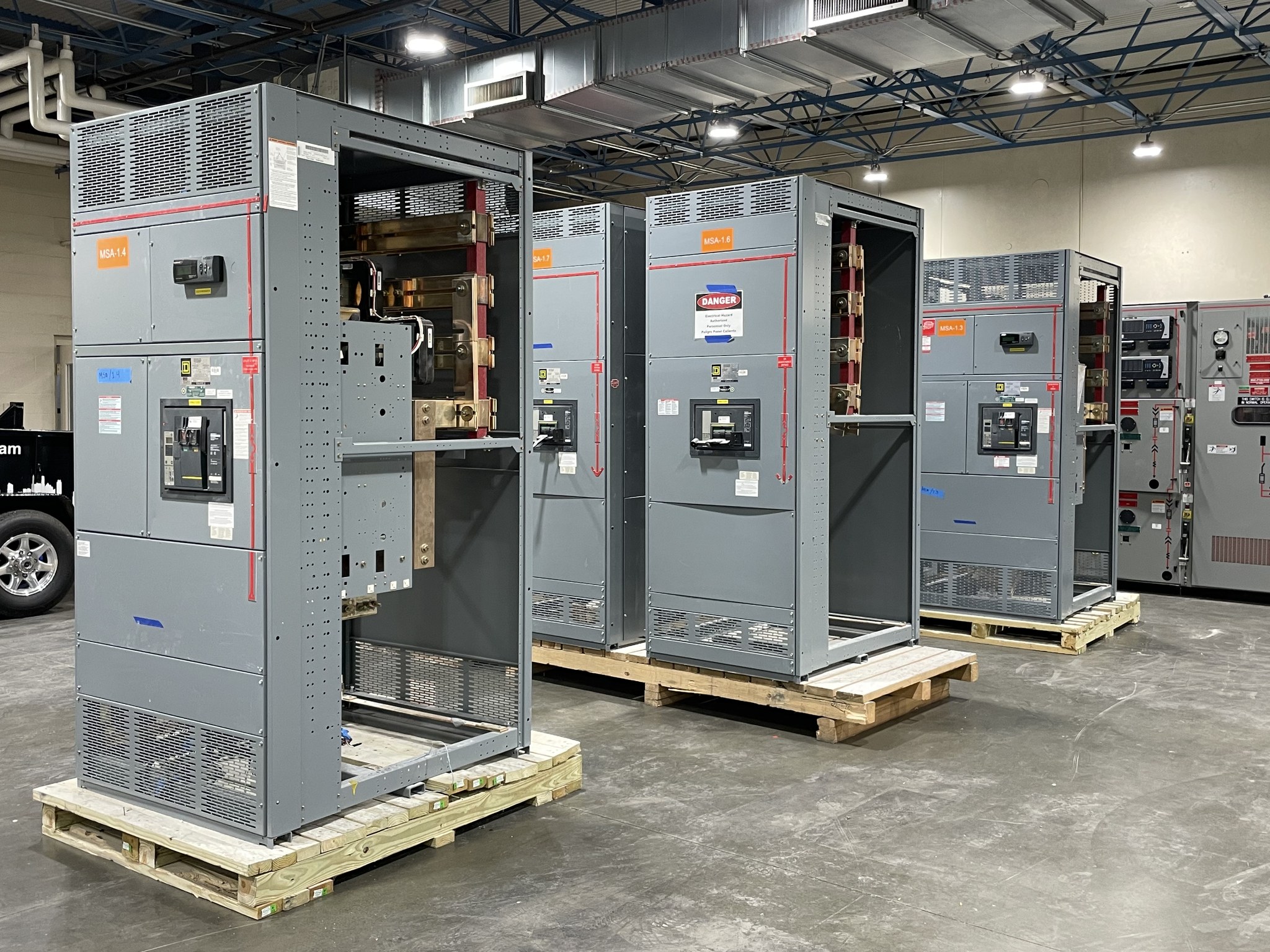
Use feeder schedules to identify the electrical assets
A press feeder schedule can connect a panel or section to a press line, auxiliary load, or building distribution point. Gather existing schedules, one-line diagrams, equipment lists, and removal records if available. These documents are useful clues, not proof that every labeled component is present or that the schedule reflects later modifications. Record discrepancies rather than resolving them by opening equipment or making electrical checks.
Keep the electrical inventory separate from the machinery inventory. A hypothetical removal might include a press, its controls, and a nearby distribution panel; only the panel and its documented electrical components belong in the electrical-equipment review. Note which items appear to be standalone panels, connected sections, or equipment integrated into another assembly. A buyer can then ask focused questions instead of estimating from a broad description such as “press power system.”
Record ratings as documented, not inferred
Transcribe manufacturer, model or catalog number, serial number, and any readable rating information from existing records or safely accessible exterior markings. Keep voltage and ampere ratings distinct: voltage describes the electrical system rating, while amperes describe current capacity. Neither can be calculated reliably from the other, the press horsepower, or a seller’s shorthand. A page title or inventory label is a description, not a verified equipment rating.
If the schedule and exterior nameplate disagree, share both versions and identify where each came from. Do not remove covers, operate equipment, touch conductors, or test or measure a panel to settle the discrepancy. An electrical equipment buyer can review the available documentation and images, then clarify what remains uncertain before discussing a specific offer. Qualified professionals should handle electrical work as appropriate to the project.
Describe enclosure condition and configuration plainly
Enclosure condition affects how a buyer understands a panel, but an exterior description should stay within what can be observed safely. Note visible dents, corrosion, water staining, missing exterior doors, broken hardware, or labels that are difficult to read. Distinguish a visible concern from a suspected internal issue; do not open an enclosure to inspect buses or components. Existing maintenance records or removal notes may add context without requiring seller testing.
Describe the assembly’s apparent configuration using records and exterior information: wall-mounted or floor-standing, single section or grouped sections, and whether associated breakers or other listed components are documented as included. For example, a hypothetical schedule may show a press feeder panel beside a separate building panel. Listing the two separately avoids implying that every nearby cabinet belongs to the same asset or will be evaluated as one package.
Coordinate removal without taking on electrical work
Before a removal window is set, identify who controls site access, the permitted work area, loading access, and any site rules that affect scheduling. Share known constraints such as restricted hours, security check-in, limited staging space, or coordination with the press-removal contractor. These details help the buyer consider the practical scope. They do not establish that circuits are disconnected or that equipment is de-energized.
The Illinois buyer purchases used, surplus, and decommissioned electrical equipment, including panels and related distribution assets across voltage classes. For a reviewed transaction, the buyer handles disconnects as needed through qualified professionals, along with crane or rigging arrangements, loading, freight, and hauling. Sellers are not expected to dismantle, rig, test, or move the equipment. Describe the present site condition accurately and leave electrical and removal work to the appropriate professionals.
Send a focused inventory and review the offer
A useful first message can include the Addison, Illinois location, panel count, manufacturer and identifying information, available feeder schedules, exterior photographs taken without approaching energized apparatus, and a brief condition description. Add ownership or authorization details and the expected removal context. If the panels are part of a larger press-line package, identify what is included and what remains with the machinery. The buyer reviews what is supplied and may request clarification before making a specific offer.
The company’s buying terms include a cash offer, payment upfront, no seller testing requirement, and coverage of freight. Confirm the particular offer and transaction details directly; an inventory review is not a promise to accept every item. When the equipment and site details have been reviewed and arrangements agreed, the buyer coordinates the required removal and transportation so the seller’s role is to provide accurate information and receive payment.
Common questions
What should I do if a press feeder schedule names a panel but its exterior label is unreadable?
Share the schedule entry and any safely accessible exterior information, noting the label is unreadable. Do not open or test the panel. The buyer can review the discrepancy and ask for useful follow-up.
Can I include panels located beside the press even if the schedule does not assign them to it?
List those panels separately and state that the schedule does not establish their connection to the press. Provide available records and exterior descriptions; the buyer can review each asset without assuming a shared configuration.
Do we need to disconnect or move the panels before requesting an offer in Addison?
No seller testing, dismantling, rigging, or moving is required. The buyer reviews the information, discusses a specific offer, and coordinates needed disconnects, loading, freight, and hauling through qualified professionals as appropriate.