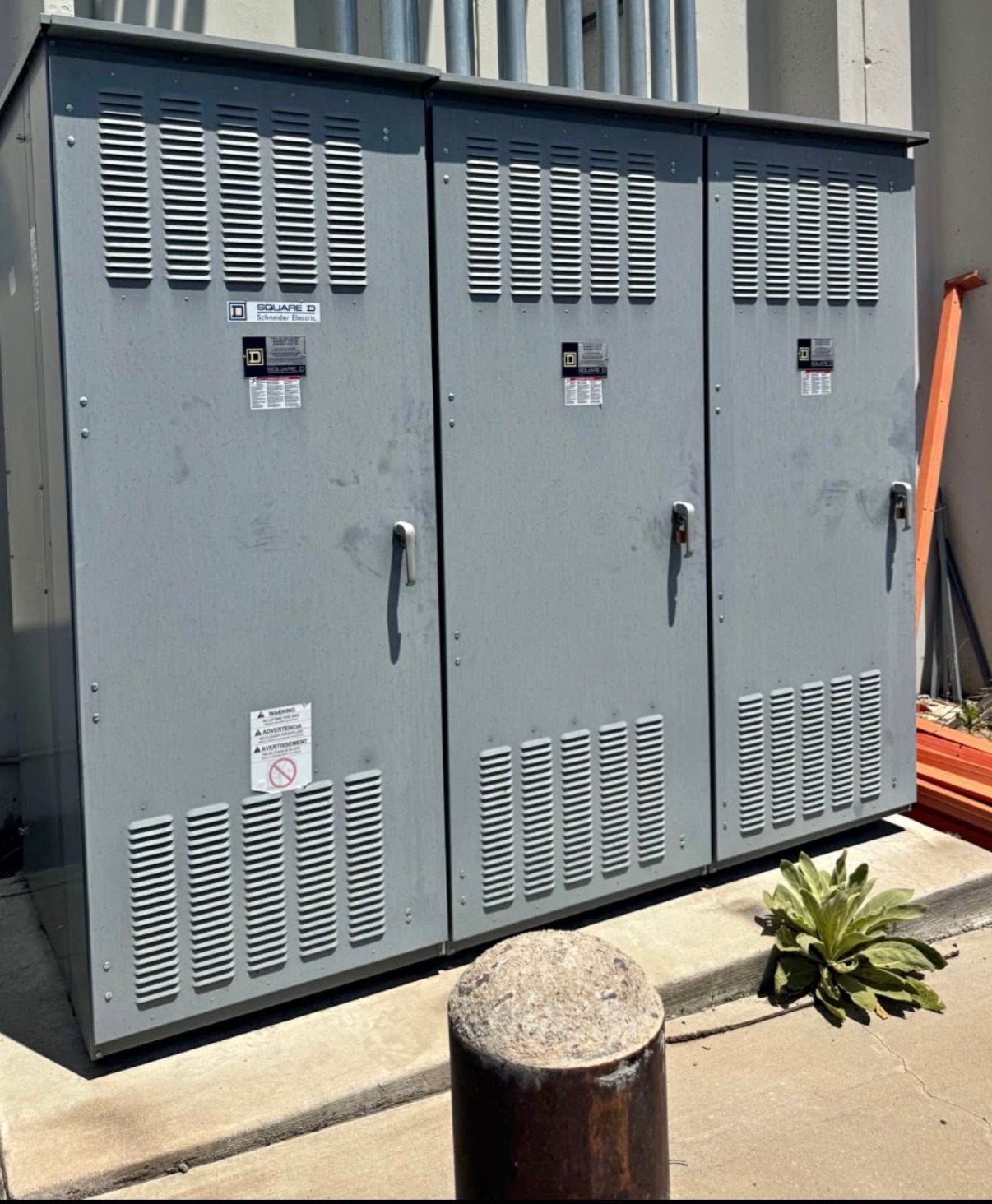
Separate the distribution board from the imaging equipment
A distribution switchboard receives and routes electrical power; an MRI, CT, or other imaging system is the load it served. The imaging equipment may be retired, replaced, or removed under a separate project, while the switchboard remains connected to feeders, branch circuits, or building distribution. For a sale inquiry, describe the electrical board itself and identify associated sections or components that are included.
For example, a hypothetical suite renovation might replace a scanner but retain a switchboard that also supplied room lighting or support equipment. Do not assume that every circuit was dedicated to imaging. Existing one-line diagrams, schedules, equipment records, or project documents can help clarify what the board served without requiring anyone to open an enclosure or inspect electrical connections.
Record feeder ratings from documentation, not assumptions
Collect the switchboard nameplate information from existing records or safely accessible exterior markings: manufacturer, catalog or identification numbers, series or type, section arrangement, and documented voltage and ampere ratings. Record feeder and main-device ratings separately where the paperwork identifies them. A board’s ampere rating does not establish its voltage, and one rating must never be inferred from the other.
A project title such as “imaging distribution panel” or a seller’s estimate is useful context, not verified equipment data. If documents conflict or a rating is unreadable from a safe exterior viewpoint, mark it as unknown rather than guessing. Manufacturers such as Siemens, Eaton, Schneider Electric, GE, or others help identify equipment; their names alone do not confirm configuration, condition, or rating.
Describe sections, options, and condition clearly
Explain whether the equipment is a single section or a lineup, and note the number of sections, main and feeder devices shown in records, bus arrangement, metering, and any documented options. List separately included breakers, transition sections, or related distribution equipment. If the switchboard is being offered with adjacent gear, distinguish each item so the buyer can understand what is part of the proposed sale.
Condition notes should stay factual: whether the board is installed, whether records indicate prior service or storage, and whether visible exterior damage or missing components are known. Do not operate devices, open doors, touch conductors, test, or approach energized apparatus to gather details. A buyer can review the information available and ask follow-up questions; no seller testing is required.
Coordinate the outage and removal with qualified professionals
A medical-suite changeover may involve facilities staff, an electrical contractor, imaging-system specialists, and a building representative. Record who is responsible for the outage plan, the intended sequence, and any access or scheduling constraints. Electrical isolation and disconnect work must be handled by qualified professionals as appropriate; a sale inquiry is not a substitute for their assessment of the building’s circuits or safe work plan.
Do not assume the switchboard is de-energized just because the scanner has been removed or a renovation is underway. Share the planned project milestones and site requirements with the buyer so removal can be coordinated around the qualified team’s work. For instance, a hypothetical project may need to preserve other loads until a replacement distribution path is ready; that dependency belongs in the coordination notes.
Make the sale and site handoff practical
An Illinois buyer of used, surplus, and decommissioned electrical equipment can review switchboards and related gear across voltage classes. Send the available identification details, photographs of safely accessible exterior surfaces, supporting paperwork, included components, ownership confirmation, and the project’s access constraints. The buyer can review those specifics and discuss a particular offer; not every item or configuration can be presumed acceptable before review.
The buyer’s terms are cash offers, payment upfront, no seller testing required, and freight covered. The buyer handles crane, rigging, disconnects, loading, freight, and hauling, with qualified professionals performing electrical work as appropriate. The seller is not expected to dismantle, rig, test, or move the equipment. Payment is made upfront, not after pickup; confirm the specific offer and handoff details before scheduling.
Common questions
Should I include the retired MRI or CT system in the switchboard description?
No. Identify the switchboard as the electrical distribution equipment and list imaging devices separately if they are part of the inquiry. Existing drawings can help establish which loads the board served.
What if I know the feeder amperage but cannot confirm the voltage?
Report the documented ampere rating and mark voltage as unconfirmed. Do not derive voltage from amperage or a project label; share available records for buyer review.
Who handles disconnects and removal after a suite upgrade?
The buyer coordinates crane, rigging, disconnects, loading, freight, and hauling. Qualified professionals handle electrical work as appropriate, with timing coordinated around the site’s outage plan and access requirements.