Define the lineup before discussing the pumps
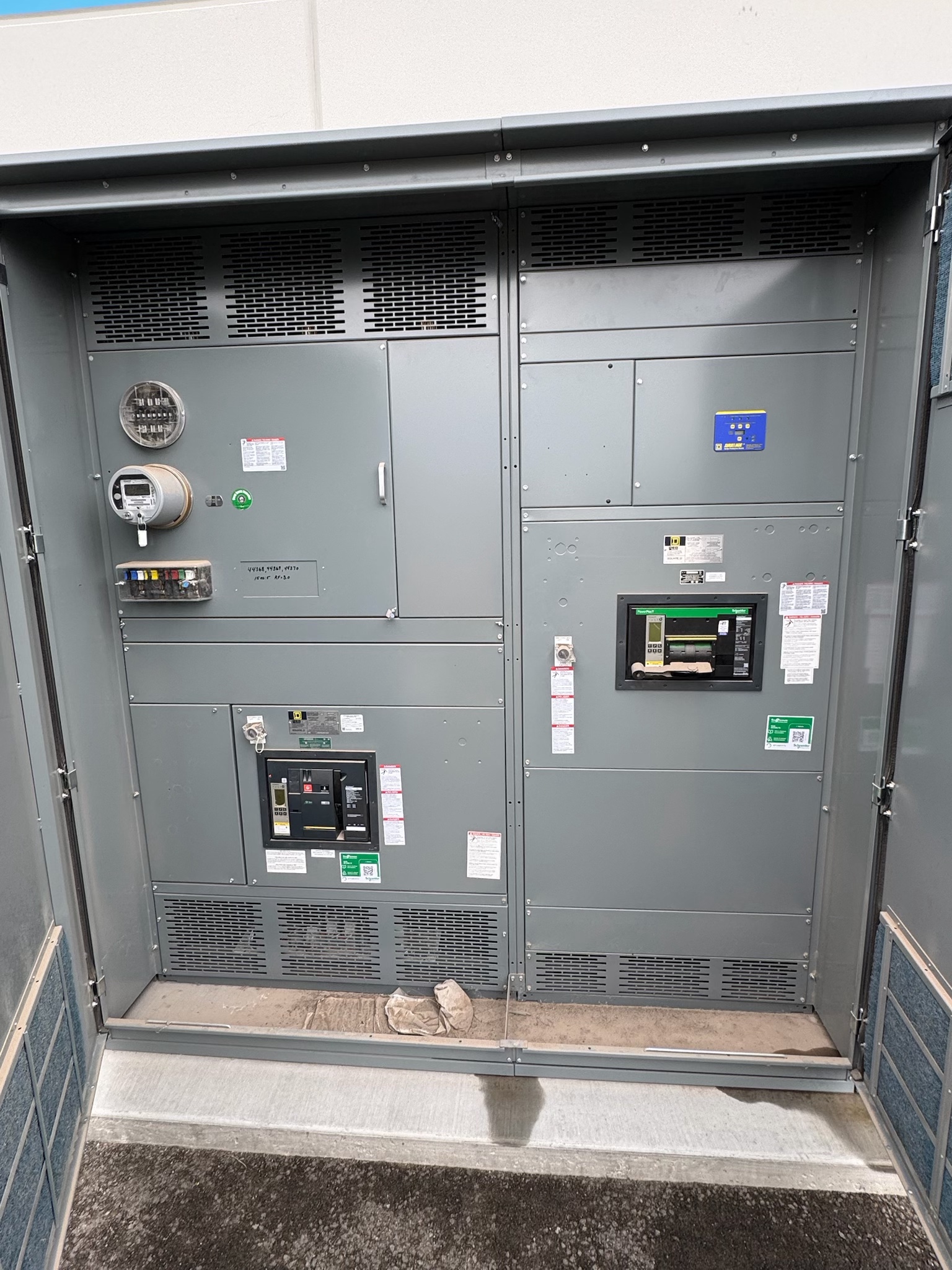
Identify the MCC as one complete offered lineup, including the number of vertical sections and their approximate arrangement if those details are already documented. Existing drawings or inventory lists may show incoming power sections, feeder sections, spare compartments and the units associated with transfer pumps. Note whether the equipment remains installed or has previously been removed, and distinguish a continuous lineup from separate equipment located elsewhere.
A starter inventory helps explain what is inside the MCC; it is not a separate offer to sell individual starters or contactors. From available records, describe the number of documented starter units and the pumps or other loads they served. If the records are incomplete, say so rather than assuming every compartment is populated or that every listed pump is still connected. The buyer reviews the complete assembly in its actual condition.
Use existing records to identify ratings and enclosures
Send available manufacturer, model, serial and enclosure information from drawings, asset records or existing photographs. External nameplate photographs can be useful if they already exist or can be obtained safely by authorized personnel without approaching energized apparatus. Include the marked enclosure type and any documented indoor, outdoor or hazardous-location designation. Do not remove covers or enter a restricted area to obtain a clearer image.
Motor horsepower, voltage, phase and full-load current are useful when they are available in records, as are the MCC's own marked ratings. Keep current in amps separate from voltage, and identify whether a value belongs to a motor, a starter or the overall lineup. A pump motor rating does not establish the MCC's voltage or ampacity. Unknown or illegible values can be flagged for review instead of estimated.
Disclose product exposure and site restrictions
Bulk-liquid service can leave equipment exposed to spills, vapors, corrosive atmospheres or residues. Tell the buyer about any known product history, visible external damage, documented contamination or environmental restrictions, and share relevant safety documentation already available. Do not assume that a clean-looking enclosure is free of contamination. The buyer can consider disclosed conditions when assessing the lineup and planning any potential removal.
Explain whether the MCC is in a controlled process area, behind a security checkpoint or subject to permit, escort or hazardous-area rules. Mention known limits on vehicle access and any plant procedures governing contractors. Site personnel and appropriately qualified professionals should determine the required safety controls; sellers should not enter hazardous areas, investigate residue, clean the equipment or perform atmospheric or electrical tests for the offer.
Plan a safe removal route for the whole assembly
A useful handoff includes the equipment's approximate location within the site, known doorway or gate constraints, available layout drawings and any documented obstacles between the lineup and a loading area. If section dimensions or weights are already recorded, share them with the buyer; otherwise mark them unknown. These details help the removal team assess whether cranes, specialized rigging or a staged route may be needed.
The buyer handles disconnects, crane work, rigging, loading, freight and hauling, and covers all freight costs. Qualified electrical professionals perform electrical work as appropriate, including the necessary isolation and verification before removal. The owner should not operate the MCC, touch conductors, approach energized apparatus, disconnect or dismantle it, or attempt to rig or move it. Site authorization and safety procedures still govern the work.
Request a review and coordinate the handoff
Submit the existing lineup description, starter inventory, relevant ratings, enclosure markings and known site restrictions together. Identify the authorized contact and note any missing documentation so the buyer can evaluate the offer without treating assumptions as facts. There is no need for the seller to energize, run or test a pump or MCC. If a detail requires a closer inspection, leave that work to authorized, appropriately qualified personnel.
Cash is offered subject to review, and payment is made upfront. The review can consider completeness, condition, access and the disclosed removal circumstances; a quote should not be assumed before the buyer has evaluated the information. Once terms are agreed, coordinate the site's permissions and access arrangements with the buyer's removal team. The objective is a straightforward transfer of the complete lineup, not piecemeal preparation by the seller.
Common questions
Can I offer just one pump starter from the MCC?
This page concerns a complete pump MCC lineup, not a standalone starter or contactor. Include the known starter inventory as part of the description of the assembled MCC, and identify any missing sections or units so the buyer can review what is actually being offered.
Do I need to test the lineup or read an energized nameplate?
No seller testing is required. Use existing records and photographs, and mark unavailable information as unknown. Do not approach energized equipment, open a cabinet, operate controls or touch conductors to gather details. Any necessary electrical assessment belongs with authorized, qualified professionals.
Who pays for pickup and removal?
The buyer covers all freight and handles crane work, rigging, disconnects, loading and hauling, with qualified electrical professionals doing electrical work as appropriate. Payment is upfront, subject to an offer following review. Tell the buyer about site access, contamination and permit restrictions before removal is planned.