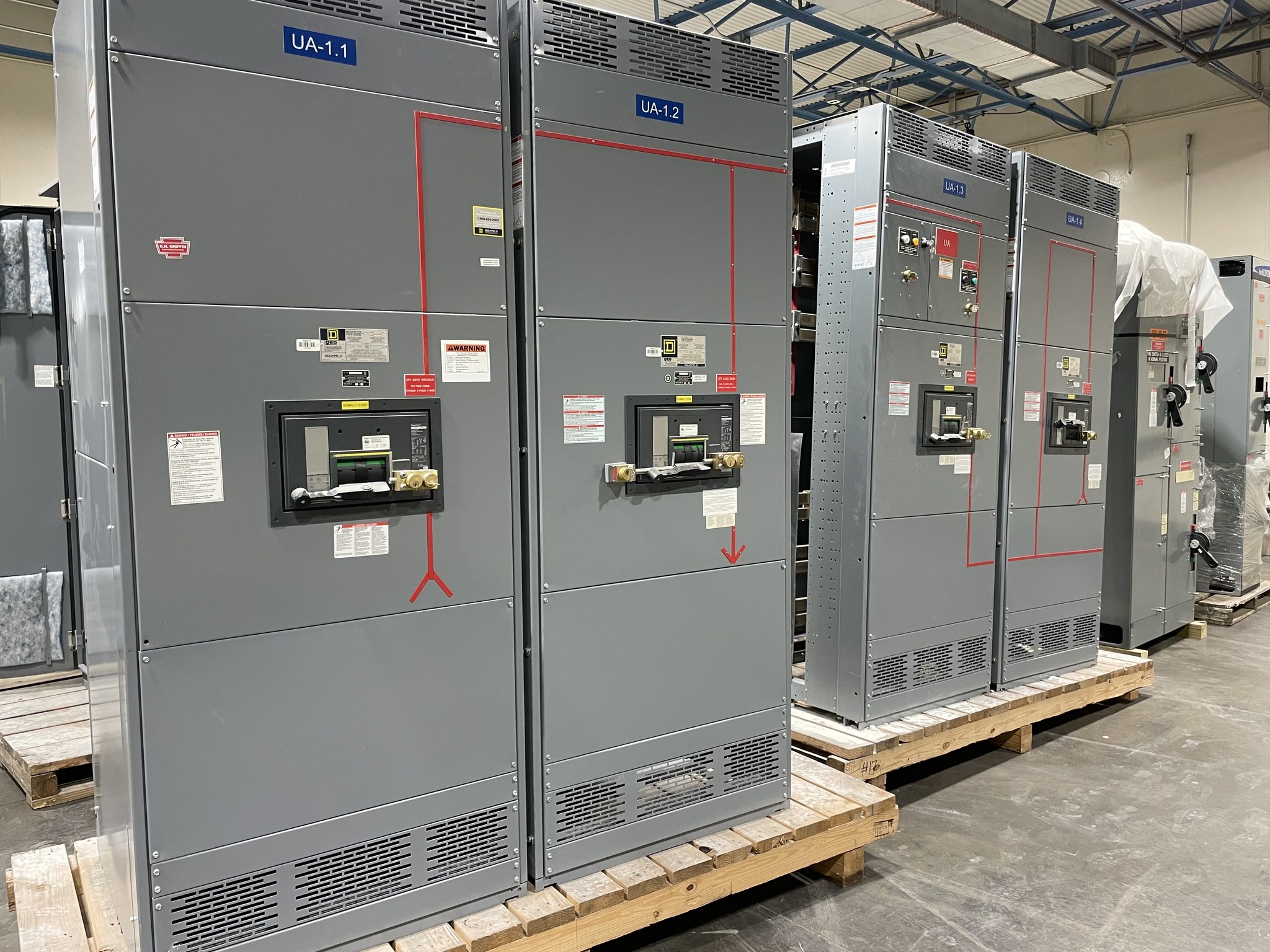
Record the enclosure evidence, not a food-grade conclusion
Begin with information already available: equipment schedules, purchase records, nameplates, drawings and exterior labels that can be viewed safely. Note the manufacturer, model or catalog identifiers, section count, and any enclosure type or rating printed on the documentation. Keep the exact wording and context. A washdown description, stainless-steel appearance or a particular enclosure marking does not by itself establish suitability for food production or certify the MCC as food-grade.
Photographs can make the record clearer when taken from a safe, accessible position without opening an enclosure or approaching energized apparatus. Capture readable exterior labels, overall section arrangement and visible condition, then pair images with a short description of where each section came from. If a hypothetical label appears to show an enclosure rating, transcribe it as shown rather than converting it into a broader claim about sanitation, chemical resistance or operating conditions.
Map starter compartments to the plant’s records
A buyer needs more than a total starter count when considering a washdown MCC. Use existing schedules or drawings to summarize lineup sections and identify starter compartments, bucket or unit designations, and associated motor or process references where records provide them. Distinguish documented details from estimates. For example, if a hypothetical schedule lists six starter units but only four can be matched to exterior identifiers, report that limitation instead of presenting all six as confirmed.
Keep electrical ratings in their proper categories. Record voltage and ampere information separately and only where supported by a readable label or reliable paperwork; one cannot be inferred from the other. A page title or seller’s shorthand is not a verified rating. If documents disagree, share both versions and identify the source of each. Do not operate, test, measure or open equipment to fill gaps; the buyer can review what is documented.
Describe cleaning-chemical exposure with useful limits
Food-plant washdown equipment may have faced repeated cleaning, rinsing or chemical exposure, but a general description such as “harsh environment” leaves important context unclear. If known, summarize the cleaning products or chemical classes used, approximate exposure period, application method and whether the MCC was in the wash area or nearby. Existing sanitation procedures or maintenance notes can help. Avoid guessing at concentration, frequency or compatibility when records do not say.
Separate observed condition from operating history. For instance, a hypothetical seller might report that a lineup stood near a wash station and that maintenance records mention periodic exterior corrosion checks, while noting that no chemical-resistance assessment is available. Describe visible exterior concerns only from a safe vantage point and do not imply an enclosure remains sealed or functional. These limits help an equipment review stay candid without turning plant history into an unsupported certification.
Explain the configuration and what is included
Show how the MCC is packaged: lineup length or section count from records, shipping splits if already documented, and whether associated equipment such as a busway connection or separate control components is part of the offer. Identify items that are excluded, retained by the plant or uncertain. Drawings, bills of material and old installation records can clarify configuration; a simple section-by-section list is often more useful than a broad inventory label.
Ownership and project boundaries matter during a closure. Confirm who is authorized to sell the equipment and whether another party has a claim, lease interest or removal responsibility. State whether the MCC remains installed and give the buyer the site contact responsible for coordinating access. Do not disconnect, dismantle, rig or package it for the buyer. Qualified professionals handle electrical work as appropriate, with removal and logistics discussed for the specific site and equipment.
Coordinate a Quincy closure review and removal plan
When contacting the Illinois buyer, send a concise inventory, available records, exterior photographs and a plain account of known exposure and condition. Include the Quincy, Illinois location, access constraints, anticipated closure milestones and any known lifting or loading considerations. The buyer reviews the details before making a specific offer; the information is a basis for evaluation, not a promise that every item or configuration will be accepted.
The buyer purchases used, surplus and decommissioned electrical equipment, including MCCs and related gear across voltage classes. The stated buying terms are cash offers, payment upfront, no seller testing required and freight covered. For an accepted transaction, the buyer handles crane, rigging, disconnects, loading, freight and hauling, so the seller’s role is to provide information and coordinate access—not perform removal. Payment is upfront, never after pickup; scope and arrangements are confirmed for the particular offer.
Common questions
Can I describe the MCC as food-grade if it has a washdown enclosure?
No. Report the exact enclosure marking and supporting records, but do not claim food-grade certification from appearance, washdown history or an enclosure rating. Certification requires evidence beyond a seller’s description.
What should I send if starter labels are difficult to match to drawings?
Share the drawings, exterior identifiers and a compartment list showing which matches are confirmed, uncertain or missing. Do not open compartments or test equipment to resolve discrepancies; the buyer can review available documentation.
Do we need to disconnect or move the MCC before requesting an offer?
No. The seller is not expected to disconnect, dismantle, rig or transport it. Share site access and project details so removal logistics can be reviewed; qualified professionals handle electrical work as appropriate.