Identify the disconnect without guessing from the line description
Start with what can be established from existing records: manufacturer and catalog information, nameplate details, drawings, purchase documents, maintenance records, and the equipment’s apparent relationship to the transformer. A line label such as “welder disconnect” or a project-page description is useful context, but it does not verify the device’s electrical ratings. Share the exact wording and, where available, clear images of safely accessible exterior markings.
Keep voltage and ampere ratings separate when describing the equipment. Voltage identifies an electrical rating relevant to the circuit; amperes describe current capacity. One cannot be inferred from the other, and a number in a label or drawing may refer to another component in the assembly. If documentation is incomplete, say so rather than filling gaps with an estimate. The buyer can review the details and ask focused follow-up questions.
Describe fuse type and what is actually included
For a fused primary disconnect, report the fuse information shown in existing records or safely visible exterior documentation: for example, the identified fuse class or catalog designation, if known, and whether the fuses are present, removed, or unconfirmed. Do not open an enclosure or handle fuses to find out. A disconnect described simply as “fused” may still need review because fuse style, completeness, and the equipment configuration affect how the item should be evaluated.
Spell out the sale boundary. Is the offer being considered for the disconnect cabinet alone, or are associated fuses, an operating mechanism, control components, conduit sections, or a common mounting structure also included? A hypothetical line might have a primary disconnect beside a transformer, with some interconnecting parts retained for a replacement installation. A simple list of included and excluded items helps avoid treating nearby equipment as part of the same lot.
Explain enclosure condition in practical, observable terms
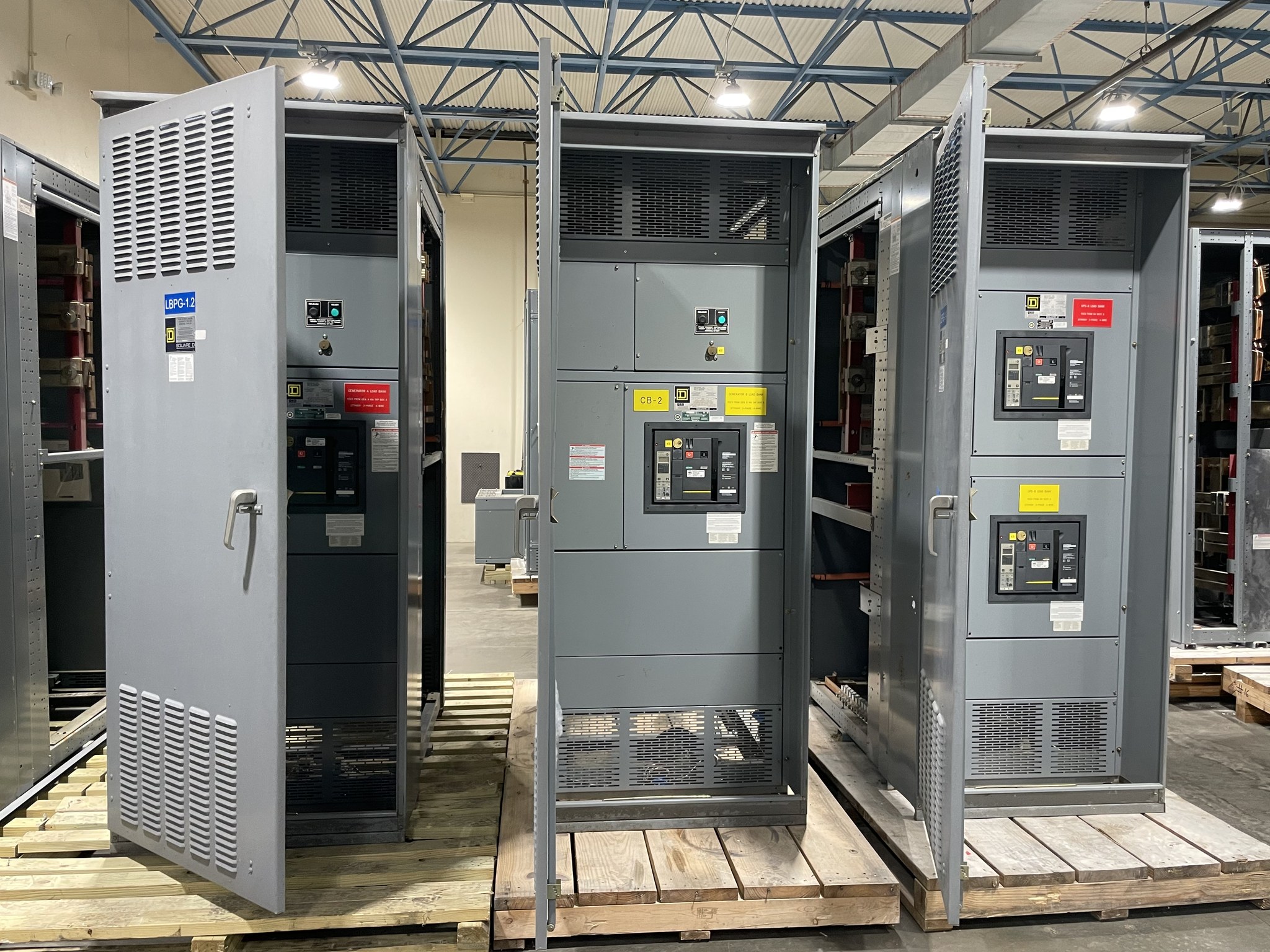
Condition notes are most useful when they describe visible facts rather than a broad label such as “good.” From a safe, accessible position, note whether the enclosure appears complete, whether doors or covers are present, and whether there is visible corrosion, impact damage, missing exterior hardware, or a known history of water exposure. Existing photographs can help, provided they do not require approaching energized apparatus or opening an enclosure.
Distinguish observation from confirmed internal condition. A cabinet that looks intact externally has not thereby been tested, and the buyer does not require the seller to perform testing. Mention known circumstances such as long-term storage, a plant shutdown, or removal from service if that information is available. If the disconnect’s status is uncertain, identify the uncertainty plainly; qualified professionals handle electrical work as appropriate.
Clarify whether the transformer stays or goes
The transformer’s disposition changes the scope of the conversation. If it is being retained, identify the disconnect as a separate item and explain whether any supporting structure or adjacent components must remain in place. If both are being offered, describe them as separate pieces of equipment and provide whatever existing records distinguish their ratings and configuration. Do not assume the disconnect’s rating from the transformer nameplate, or the transformer’s rating from the disconnect.
A hypothetical example: a shop plans to keep a transformer for another process but retire the associated fabrication cell. The seller might offer the primary disconnect while excluding the transformer and clearly identifying any shared enclosure or mounting arrangement for review. In another scenario, the complete transformer-and-disconnect package may be available. Either way, ownership and sale boundaries should be settled before arranging removal, not left to interpretation at pickup.
Coordinate review and removal around the site plan
To begin, provide the Mattoon, Illinois location, an equipment description, available exterior photos and paperwork, approximate dimensions if already documented, and the intended sale boundary. Include relevant project constraints such as a restricted access route, overhead clearance concern, loading-area limitation, or a planned shutdown window. These details help the buyer review the opportunity; they are not a request for you to disconnect, test, dismantle, rig, or move the equipment.
The buyer purchases switchgear, switchboards, motor control centers, panelboards, busway, transfer switches, breakers, and unit substations, including equipment across voltage classes, and can review a transformer disconnect as part of that buying activity. Terms include a cash offer, payment upfront, no seller testing requirement, and freight covered. For accepted equipment, the buyer handles disconnects, crane and rigging work, loading, freight, and hauling, coordinating site access with the seller. Details and any offer remain subject to review; payment is upfront, not after pickup.
Common questions
Should I remove the fuses or open the disconnect to confirm their type?
No. Do not open the enclosure or handle components for identification. Share existing records or safely accessible exterior information, and note whether fuse presence or type is unknown. Seller testing is not required.
What if the fabrication line’s transformer is staying at the site?
Say clearly that the transformer is excluded, then identify which disconnect components are included and any shared mounting or adjacent equipment. The buyer can review that boundary before removal planning.
Does a transformer’s nameplate establish the disconnect’s voltage or ampere rating?
No. Ratings belong to particular equipment and cannot be inferred across components. Provide each device’s existing documentation or exterior markings separately; a page title or line description is not verification.