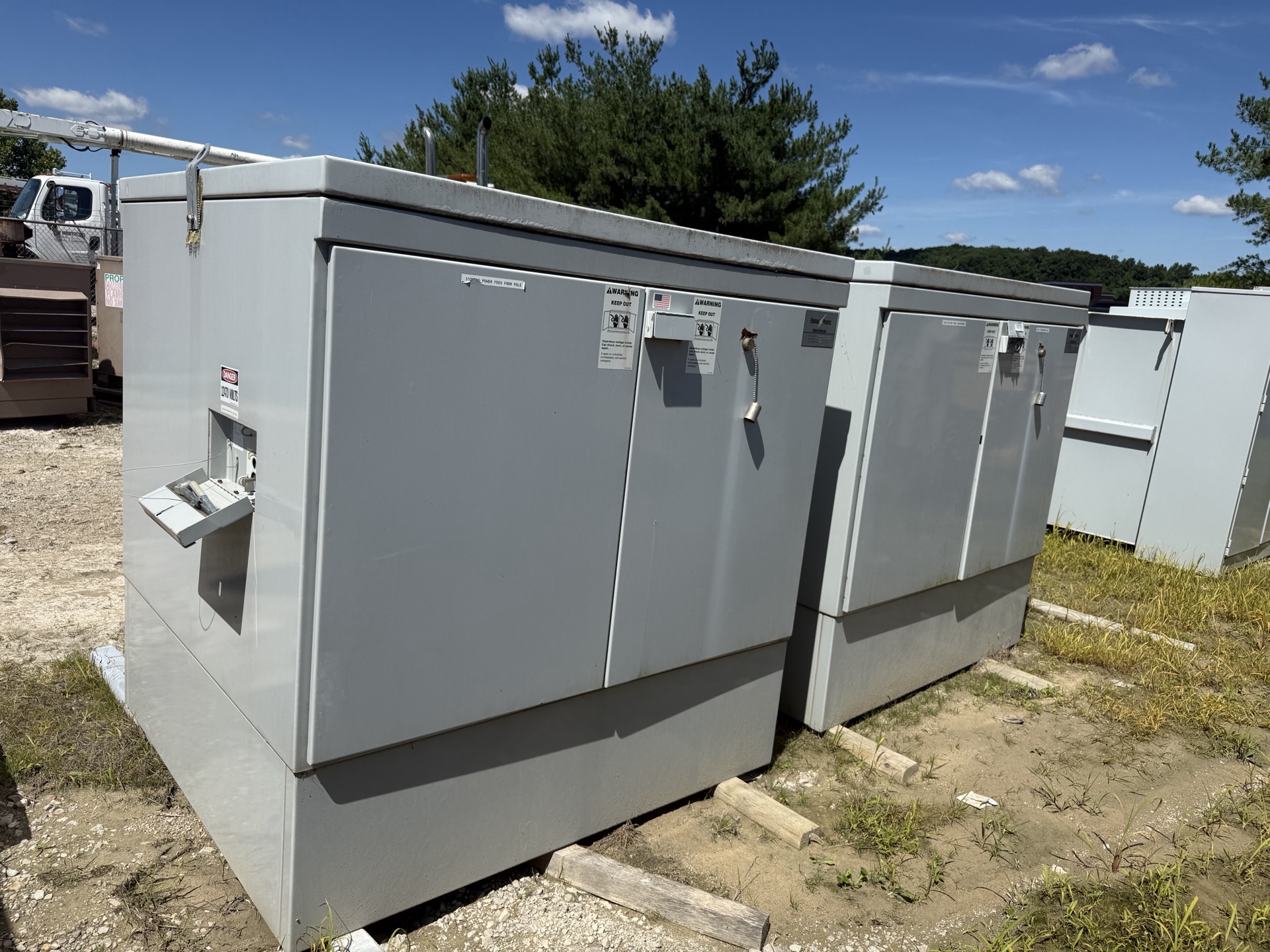
Identify What the 6,000-Amp Figure Actually Describes
Start with existing drawings, nameplates, schedules, or equipment records that identify the lineup. Look for wording that ties 6,000 amps to the main bus or another specific assembly. A listing title, a handwritten note, or a seller’s shorthand is useful context, not verified equipment documentation. Share what is available and flag anything that remains uncertain rather than treating the number as a confirmed rating.
Voltage is a separate characteristic from amperage. A 6,000-amp description does not establish the gear’s voltage, and a voltage designation does not verify its current rating. Provide the voltage information shown in existing records, along with manufacturer and model details if documented. Never open an enclosure or approach energized apparatus to find a label; use paperwork or information already safely accessible from outside.
Keep Main-Bus and Breaker Ratings Separate
A lineup may have a 6,000-amp main bus while its individual breakers carry different ratings. A main breaker, feeder breakers, and spare compartments should therefore be described separately when records allow. For example, a hypothetical lineup could have a documented 6,000-amp bus and a 2,000-amp main breaker, plus feeder breakers of several ratings. Those figures describe different components, not a contradiction.
Prepare an inventory from existing schedules or drawings rather than inferring breaker ratings from frame size, compartment position, or the lineup’s headline amperage. Note which breakers are installed, identified as spares, or absent, and distinguish documented ratings from estimates. If records are incomplete, say so. A buyer can review the configuration and decide what further information is useful before discussing a specific offer.
Describe Shipping Sections by Their Own Weight and Configuration
The lineup’s electrical rating says nothing about how much each section weighs. Shipping-section weight depends on the actual configuration and documented assembly details, so do not divide an overall lineup weight evenly unless records explicitly support that figure. Existing shipping drawings, bills of material, equipment schedules, or manufacturer documentation may identify section boundaries and weights; include them when available and label estimates as estimates.
A hypothetical lineup might be arranged in several shipping sections, with a deeper section containing more equipment than adjacent sections. That possibility affects handling and transport planning, but it cannot establish any particular section’s weight. Share the number of sections, dimensions and weights only when documented or otherwise reliably known. If exact section weights are unavailable, explain that at the outset so planning can account for the uncertainty.
Give a Useful Condition and Ownership Picture
A concise account of the equipment’s history can help put its paperwork and visible condition in context. Explain whether it came from a decommissioned data center, a shut-down power plant, or another source, and describe known changes to the lineup, such as missing breakers or separated sections. These are factual details for review, not proof of condition or a guarantee that every component is present.
Gather ownership or authorization information that shows you can sell the equipment, such as asset records or project documentation, where available. Describe known storage conditions, prior removal, or damage without attempting to investigate inside the gear. No seller testing is required. Do not operate equipment, test it, touch conductors, or open enclosures for this process; a buyer’s review can begin with records and safely accessible exterior information.
Coordinate an Illinois Site Review and Removal Plan
When you contact the Illinois buyer, provide the lineup’s location, approximate quantity and arrangement, available dimensions, section weights if documented, and relevant site-access constraints. Mention whether the equipment remains installed and what is known about disconnect status, loading access, crane access, or rigging limitations. Do not assume electrical work is complete or that equipment is de-energized. Qualified professionals handle electrical work as appropriate, with removal and logistics coordinated for the specific site.
The buyer reviews the information before making a specific offer; acceptance, scope, and logistics are subject to that review. The company buys used, surplus, and decommissioned electrical equipment, including low-voltage switchgear, and covers freight. Its process includes coordination of crane, rigging, disconnects, loading, freight, and hauling, so the seller is not expected to dismantle, rig, test, or move the lineup. Payment is upfront, before pickup—not after removal.
Common questions
If the lineup has a 6,000-amp bus, can I describe every breaker as 6,000 amps?
No. The bus rating and each breaker’s rating are separate. Use existing schedules or documentation to identify individual breakers, and mark unknown ratings as unverified rather than assigning the lineup figure to them.
What should I provide if I know the lineup’s rating but not each shipping section’s weight?
Share the documented rating and explain that section weights are unavailable. Include existing drawings, dimensions, or shipping records if you have them; do not estimate section weights by dividing the total evenly without supporting documentation.
Do I need to test or dismantle the switchgear before requesting an offer?
No seller testing is required, and you are not expected to dismantle, rig, or move it. Provide available records and site details; removal logistics are coordinated for the specific review, with payment upfront before pickup.