Separate system voltage, fuse rating, and equipment identity
Describe the equipment as 5-kV-class only if that identification is supported by a nameplate, drawings, or other records. Voltage class is not the fuse ampere rating, and neither value establishes the other. A rolling-mill feeder description identifies a former use, not a verified electrical rating. When information conflicts, report the discrepancy instead of choosing the more favorable number.
For each fused position, provide the fuse manufacturer and catalog or type designation, if documented, plus the marked ampere rating and any voltage information shown. Existing schedules or spare-fuse records may help identify what was installed, but distinguish records of spares from evidence of the fuses actually present. Do not open an enclosure or handle a fuse to obtain details; use available paperwork and safely accessible exterior markings.
Report interrupting information as printed, not inferred
A buyer may need the fuse’s interrupting rating or interrupting-capacity information, as well as the switchgear’s own available ratings. These are not interchangeable descriptions. Transcribe the wording, units, and any conditions from existing labels or documents where legible, and identify whether the information refers to a fuse, switch, or lineup. If the marking is unreadable or the record is incomplete, say so rather than estimating from the 5-kV class.
For example, a hypothetical seller might have an old one-line diagram naming a fuse family while an exterior label shows a different catalog designation. That is useful information if both sources are identified and the mismatch is disclosed. A buyer can review the discrepancy as part of the equipment description; the seller need not perform a test, open gear, or make an engineering determination to support an initial discussion.
Map the lineup and the rolling-mill feeder arrangement
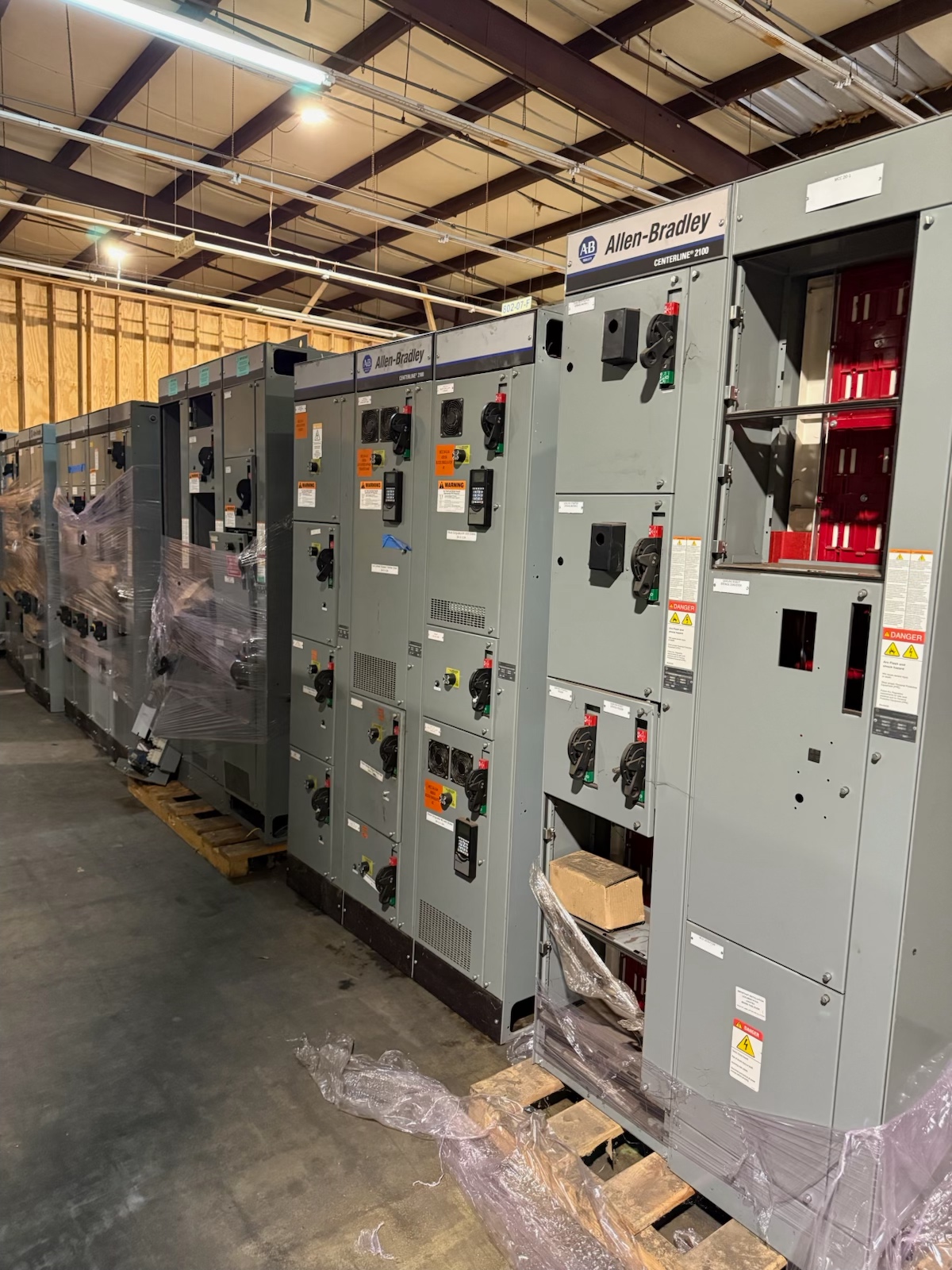
Describe the lineup in practical terms: approximate number of sections, which sections contain fused switches, whether there are incoming or tie sections, and whether the offering is a complete lineup or selected cubicles. Note visible identification labels or section designations from safe exterior access. Drawings, equipment schedules, and photographs already on hand can help connect the feeder name to the physical sections without treating the name as proof of configuration.
A hypothetical lineup could include one incoming section and several outgoing feeder sections, with only some fused positions associated with the former rolling-mill feeder. State which portions are included and flag any known missing doors, barriers, fuses, or auxiliary components from records or exterior observation. Do not assume a feeder’s former duty establishes the rating or condition of every section; each component’s identity remains subject to review.
Give a candid condition and ownership picture
Useful condition notes are factual and bounded: whether the equipment was removed during a shutdown or decommissioning, whether it is stored indoors or outdoors, and any known damage, corrosion, or missing parts. You are not expected to inspect internally, operate mechanisms, or test electrical performance. Avoid calling the gear operational or service-ready unless that status is established in documentation; an untested unit should simply be described as untested.
Clarify who can authorize the sale and whether the offered gear is owned by your company, an asset owner, or another party whose approval is needed. If documents identify manufacturer, model, serial number, or year, share them as available. Names such as particular switchgear manufacturers help identify equipment, but do not imply a manufacturer relationship or guarantee that every configuration will receive an offer.
Coordinate review, access, and removal without seller handling
An Illinois buyer of used, surplus, and decommissioned electrical equipment can review the description, records, and available exterior information, then discuss a specific offer subject to review. The buyer’s stated terms are cash, payment upfront, no seller testing requirement, and freight covered. Payment is made upfront, not after pickup. These terms do not mean every item or incomplete lineup will necessarily be accepted.
For equipment in Granite City, explain site access and any known constraints, such as scheduled access windows, loading-area limitations, or coordination with the facility contact. The buyer handles crane, rigging, disconnects, loading, freight, and hauling; the seller is not asked to dismantle, rig, test, or move the switchgear. Qualified professionals perform electrical work as appropriate. Do not assume all electrical work is complete or that the equipment is de-energized; site conditions and access arrangements are reviewed for the particular removal.
Common questions
Which fuse details are most useful when I describe a 5-kV rolling-mill feeder?
Share each available fuse type or catalog designation, marked ampere rating, and interrupting information, identifying the source. Keep voltage class separate from amperes, and report missing or conflicting records rather than inferring values.
What should I send if the lineup drawing and exterior labels do not agree?
Identify each source and describe the disagreement plainly, such as different fuse designations or section labels. Existing records and safely accessible exterior information can support review; no testing or enclosure opening is required.
Do I have to disconnect or move the Granite City switchgear before an offer?
No. The buyer handles disconnects, crane and rigging, loading, freight, and hauling under arrangements reviewed for the site. Payment is upfront, while any specific offer and removal details remain subject to review.