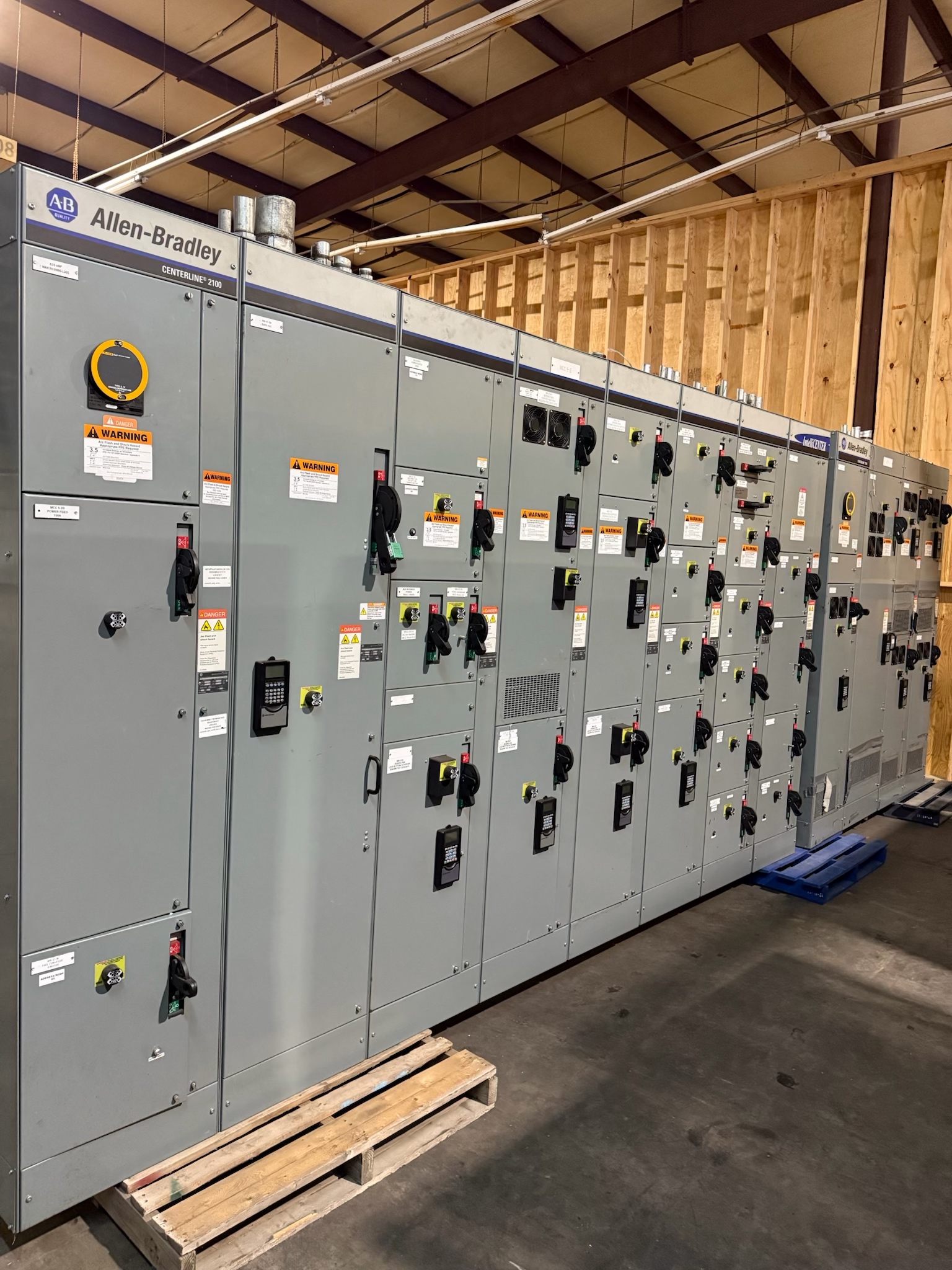
Map the QED-2 lineup in its installed order
Start with a simple left-to-right or front-to-back sequence, using the orientation that makes sense for the actual installation. Give each section a temporary identifier, such as A, B, and C, and note its apparent function only when existing paperwork or safely accessible exterior markings support that description. Record neighboring sections and visible end plates or transitions; do not infer a section’s electrical role from position alone.
A hypothetical lineup might be described as “A: main section; B: distribution section; C: distribution section,” with the qualification that the labels are provisional pending review. If sections were separated, rearranged, or stored apart, say so and identify which pieces are believed to belong together. Existing layout drawings, schedules, or prior equipment lists can help explain the sequence, but discrepancies should be noted rather than silently reconciled.
Describe the main breaker without confusing ratings
For the main breaker, transcribe information from existing documentation or safely accessible exterior labels: manufacturer designation, catalog or type information, visible trip-unit details, and any clearly stated ampere and voltage ratings. Keep those ratings distinct. Amperes describe current capacity; voltage describes the electrical system rating. Neither can be reliably derived from the other, and a seller’s page title or shorthand description is not verification of either rating.
If a label is difficult to read, incomplete, or apparently inconsistent with drawings, mark the field as unknown or uncertain and share the source of the information. Do not open an enclosure, operate the breaker, touch conductors, or test or measure equipment to fill gaps. A buyer can review the supplied details and request clarification about a specific assembly; an offer and any equipment assessment remain subject to that review.
Separate factory configuration from later changes
A useful record distinguishes what appears to be original from what was added, removed, or altered after installation. Compare available factory paperwork, equipment schedules, and revision notes with the visible exterior configuration. Note known replacement breakers, added metering, changed protective devices, blanked openings, or other field work, including when and by whom it was documented if that information is available. Avoid calling a feature “factory” merely because it looks integrated.
For example, a hypothetical seller might report that the original drawing shows a metering section, while a later maintenance record documents replacement metering components. That is more helpful than presenting the lineup as untouched. If the history is incomplete, state that plainly. A buyer reviewing used, surplus, or decommissioned electrical equipment needs an honest distinction between documented history, visible observation, and an assumption.
Share condition and ownership records without intrusive inspection
Gather records already on hand: nameplate images taken from a safe, accessible exterior position, one overall lineup view, section labels, drawings, maintenance notes, and an inventory of loose components believed to accompany the switchboard. Do not approach energized apparatus or ask staff to open doors, remove covers, reach inside, or conduct testing for photographs. If safe exterior views are unavailable, explain that and provide the paperwork instead.
Describe condition in specific, observational terms, such as exterior damage, missing trim, storage exposure, or known components removed, rather than claiming operational fitness without evidence. Also clarify who owns the equipment and whether another party must authorize its sale. These details help the Illinois buyer understand what is being offered and avoid confusion about included sections, accessories, or documentation, without requiring the seller to perform electrical work or dismantle anything.
Coordinate review and removal around the actual site
When contacting the buyer, send the lineup sequence, main-breaker information, known modifications, condition notes, location, and available access details together. Mention whether equipment remains installed, whether sections are separated, and any known site constraints such as restricted access or scheduling rules. The buyer reviews the description and discusses the particular equipment; no description guarantees acceptance or a specific offer. If details are missing, identify them as unknown rather than estimating.
The Illinois company buys electrical equipment including switchboards, switchgear, MCCs, panelboards, busway, transfer switches, breakers, and unit substations across voltage classes, including equipment from decommissioned data centers and shut-down power plants. For an accepted transaction, its terms include a cash offer, payment upfront—not after pickup—no seller testing requirement, and covered freight. It handles crane, rigging, disconnects, loading, freight, and hauling, with qualified professionals performing electrical work as appropriate; the seller is not expected to dismantle, rig, test, or move the switchboard.
Common questions
What if I cannot confirm the QED-2 section order from the drawings?
Give each section a temporary identifier, describe its present physical order, and flag the sequence as unverified. Share any available drawings or schedules so the buyer can compare records without treating assumptions as confirmed configuration.
Should I remove a field-added breaker or metering component before requesting review?
No removal is required for buyer review. Record what is known about the change and whether the component remains with the lineup. Do not open equipment or undertake electrical work; discuss the specific configuration with the buyer.
Does a QED-2 model name establish the switchboard’s voltage or ampere rating?
No. The model designation alone does not verify either rating. Report ampere and voltage information separately from accessible labels or documentation, and mark uncertain or conflicting details for review rather than estimating.