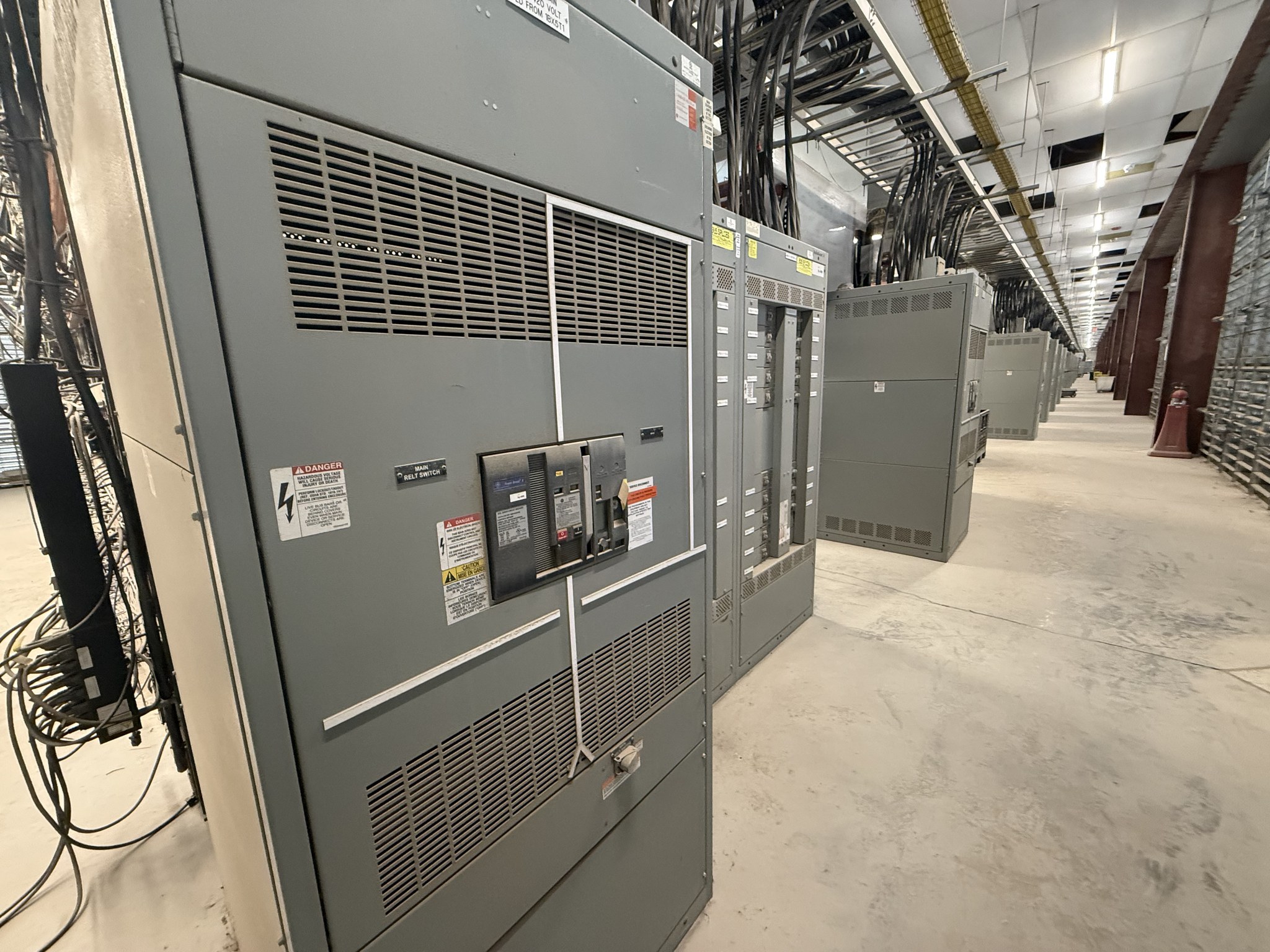
Use the Vista nameplate to identify the actual assembly
“S&C Vista” identifies a product family, not a complete description of an individual assembly. Record the model or catalog designation, serial number, manufacturing information, and any other legible nameplate fields from an existing record or safely accessible exterior view. A lineup may include multiple sections or related equipment, so note which marking belongs to which part rather than assuming one label describes everything on site.
If a nameplate is obscured or missing, say so instead of guessing. Existing purchase documents, drawings, asset registers, and maintenance records may provide complementary identifiers; photographs are useful only when they can be taken safely from an ordinary access area. For example, a hypothetical seller might have a drawing that calls the assembly Vista while a surviving label identifies a particular model. Sharing both details helps the buyer reconcile the record with the equipment.
Describe switching configuration without inferring ratings
Explain the arrangement in terms supported by documentation: for instance, the number of ways or positions shown in a lineup schedule, the recorded switching functions, and whether the assembly is described as sectionalized or connected to particular feeders. Use the terms on the drawings or equipment records where possible. Configuration matters because two assemblies with the same family name can differ in their functions and arrangement.
Keep configuration separate from electrical ratings. An ampere rating describes current capacity; a voltage rating or voltage class describes the system voltage the equipment is designed for. Neither should be inferred from the other, from the physical size of the assembly, or from a nearby transformer or feeder. If a record lists only one value, report that value and identify the other as unknown rather than filling in a plausible-sounding number.
Report voltage class and insulating-medium records carefully
Provide the voltage class exactly as stated on the nameplate or in applicable equipment documentation. If records use a nominal system voltage, distinguish that from a labeled equipment rating and include the source of the information. A buyer can review the stated details with the model and configuration; a seller does not need to establish ratings independently or perform field checks to make an inquiry.
Insulating-medium information is another useful identifier, but it should come from applicable labels, manuals, drawings, or service records—not assumption. Share documentation that identifies the medium and, if available, records relevant to the specific assembly. Do not open an enclosure or approach equipment to look for a label. If paperwork is incomplete or inconsistent, describe the gap plainly; the details and any offer remain subject to review.
Give a useful condition and ownership picture
A practical description can include whether the Vista assembly is installed, stored, or already disconnected; whether it appears complete based on existing inventory; and what records are available. Report known missing components, visible exterior damage, or changes documented in project records without trying to verify anything hands-on. Be candid about unknown operating history or incomplete maintenance files. No seller testing is required for an initial discussion.
Clarify that you have authority to discuss the equipment or identify the appropriate owner or project contact. If it is part of a decommissioned data center, shut-down power plant, or another site project, note whether the equipment is being considered as a standalone assembly or with related electrical equipment. A hypothetical inventory might list a Vista lineup alongside breakers and switchboards; that context can help organize review without implying every listed item will receive an offer.
Coordinate site information while leaving removal to the buyer
For an initial conversation, useful logistics include the Illinois site location, approximate equipment dimensions if already documented, the access route known to the site team, and any stated restrictions on loading or scheduling. Existing site plans or contractor records may clarify where the equipment sits and what coordination is needed. Do not dismantle, rig, load, or move the switchgear to prepare it for review or pickup.
The Illinois buyer reviews the information and discusses a specific offer and arrangements with the seller; acceptance is not automatic and details are subject to review. Stated terms are cash offers, payment upfront, no seller testing required, and freight covered. The buyer handles crane, rigging, disconnects, loading, freight, and hauling, coordinating qualified professionals for electrical work as appropriate. Payment is made upfront, never after pickup, so confirm the agreed terms before removal is scheduled.
Common questions
Which Vista details are most useful in an initial inquiry?
Share the model or catalog designation, serial number if available, documented switching arrangement, stated voltage class, and insulating-medium records. Note which details come from labels versus drawings, and identify anything missing or uncertain.
Can I provide a voltage class based on the ampere rating?
No. Ampere rating and voltage rating describe different characteristics. Report each only when supported by its own nameplate or applicable documentation; if one is unavailable, mark it unknown rather than inferring it.
Do I need to test or prepare the Vista switchgear for pickup?
No seller testing is required, and you should not open, operate, or move the equipment to prepare it. The buyer covers freight and handles removal logistics, including crane, rigging, disconnects, and loading, subject to coordination.