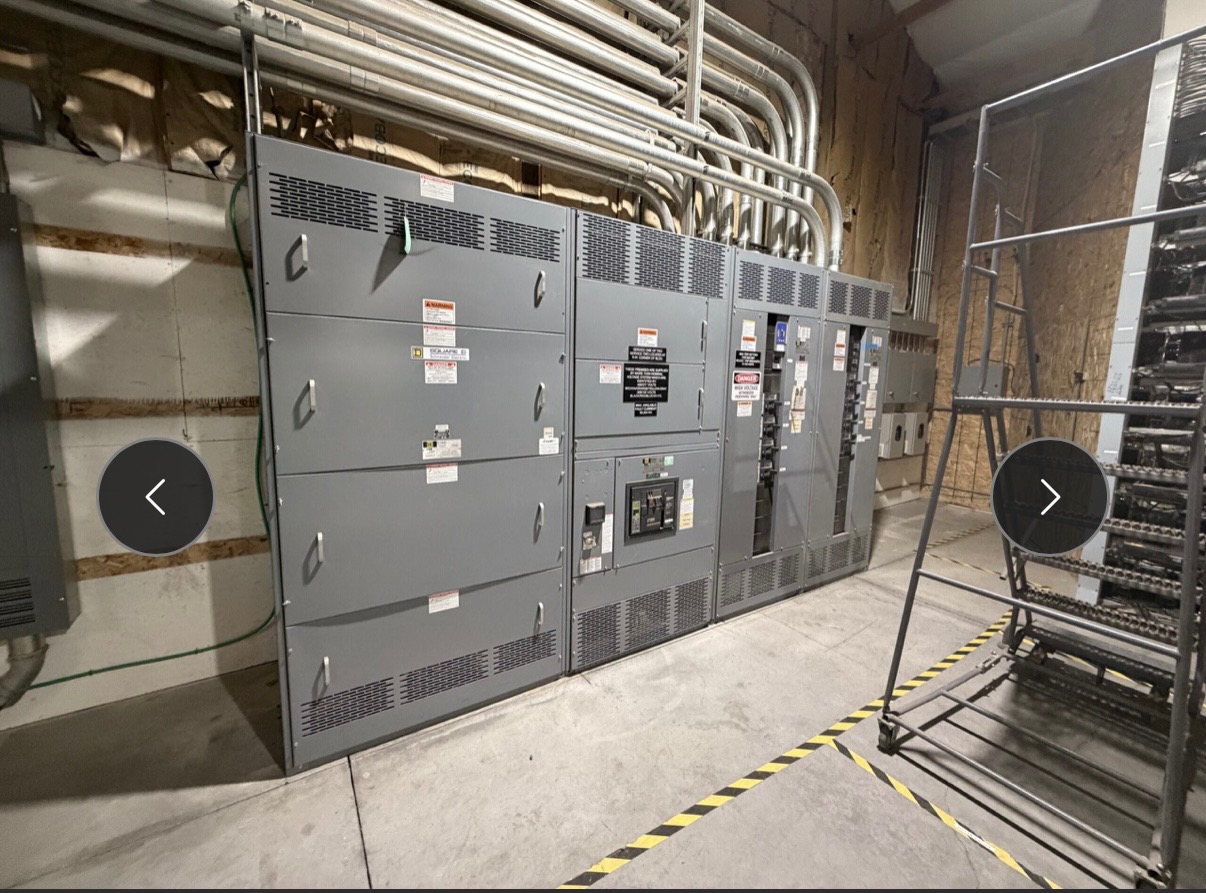
Build an identification record around the nameplate
Record the ASCO 7000 Series designation and any model or catalog number exactly as shown on existing exterior identification. Then note the marked ampere rating and voltage information separately. Amperes describe current-carrying capacity; voltage is a distinct electrical rating. Neither can be inferred from the other, and a listing title or someone’s recollection is not a verified rating. If a field is unreadable, mark it unknown rather than guessing.
A concise record can include the equipment’s location, approximate installation or removal status, and whether the identification comes from a nameplate, project schedule, or inventory sheet. For example, a hypothetical seller might report a visible 400-amp marking while noting that voltage is absent from the accessible label and awaits confirmation in archived documentation. That careful qualification is more useful than presenting an incomplete figure as the full rating.
Count poles and identify the controller without opening the switch
Report the number of poles from reliable existing documentation or safely accessible exterior labeling. Pole count is not a substitute for voltage, current rating, or a confirmed switching arrangement. If paperwork conflicts with the exterior label, preserve both descriptions and flag the discrepancy for review. Do not remove covers, reach into the enclosure, or try to determine internal construction by inspection.
Controller identification can help distinguish configurations within the series. Copy the controller name or model shown on an exterior label or in existing records, including suffixes when legible. A hypothetical inventory entry might pair a documented four-pole configuration with a controller model copied from a maintenance record, while noting that the record has not been reconciled against the switch. Avoid powering up the controller or navigating equipment controls to fill gaps.
Describe the two-source isolation plan for qualified review
A transfer switch is associated with two sources, so a sale review should account for both—not just the switch itself. Identify the sources as documented, such as utility and generator, and state what records exist for their isolation and the planned sequence for disconnecting the equipment. Do not assume both sources are de-energized, that electrical work is complete, or that one isolation point makes the assembly safe.
Isolation and disconnect work must be planned and performed by qualified professionals under the site’s procedures and applicable requirements. The seller should not be asked to operate the switch, test it, open enclosures, touch conductors, or verify isolation. Share available one-line diagrams, shutdown notes, or project documentation through the normal review process. The buyer can coordinate equipment removal details with the site’s qualified team; the seller does not need to dismantle or rig the switch.
Give a candid condition and configuration picture
Useful condition notes are factual and bounded: whether the switch is installed or already removed, whether its exterior appears complete from a safe viewing position, whether labels are legible, and whether known damage or missing components are recorded. Do not energize or test the unit to establish condition. A statement that no test results are available is appropriate; testing is not required from the seller for an initial review.
Also describe what is included or associated with the switch, based on inventory and records: controller components, enclosure sections, documented accessories, or related transfer equipment. Clarify whether the item is part of a larger electrical lineup and identify any known ownership or project restrictions. A hypothetical facility record might list one switch and a separately inventoried bypass-isolation section; keeping those entries distinct helps prevent an assumed bundle or configuration from obscuring what is actually offered.
Coordinate access, removal, and the buyer review
When contacting the Illinois buyer, send the exact model information available, separate ampere and voltage fields, pole count, controller identification, source documentation, condition notes, and a few safely obtained exterior photos if permitted. Add practical site details such as access hours, loading constraints, crane or rigging needs, and who coordinates entry. Do not move the equipment or arrange seller-performed dismantling to prepare it for review.
The company buys used, surplus, and decommissioned electrical equipment, including ASCO transfer switches, and reviews each opportunity and its details before making a specific offer. Its buying terms include cash offers, payment upfront, no seller testing requirement, and freight covered. If a transaction is agreed, the buyer handles crane, rigging, disconnects, loading, freight, and hauling, coordinating qualified professionals for electrical work as appropriate. Payment is upfront, not after pickup; the seller’s role is to provide information, coordinate site access, and get paid under the agreed arrangement.
Common questions
What if I know the ASCO 7000 switch’s ampere rating but not its voltage?
Send the verified ampere marking and identify voltage as unknown. Check existing documentation for a separate voltage rating; do not infer voltage from amperes, the series name, or an unverified listing description.
How should we describe isolation when the switch connects two sources?
Identify both sources from records and share the available shutdown or isolation plan. Qualified professionals must handle the work; do not operate, open, test, or touch the switch to confirm isolation.
Do we need to test, dismantle, or move the switch before requesting an offer?
No seller testing is required, and the seller does not need to dismantle, rig, or move it. The buyer reviews the details and coordinates agreed removal, with payment upfront rather than after pickup.