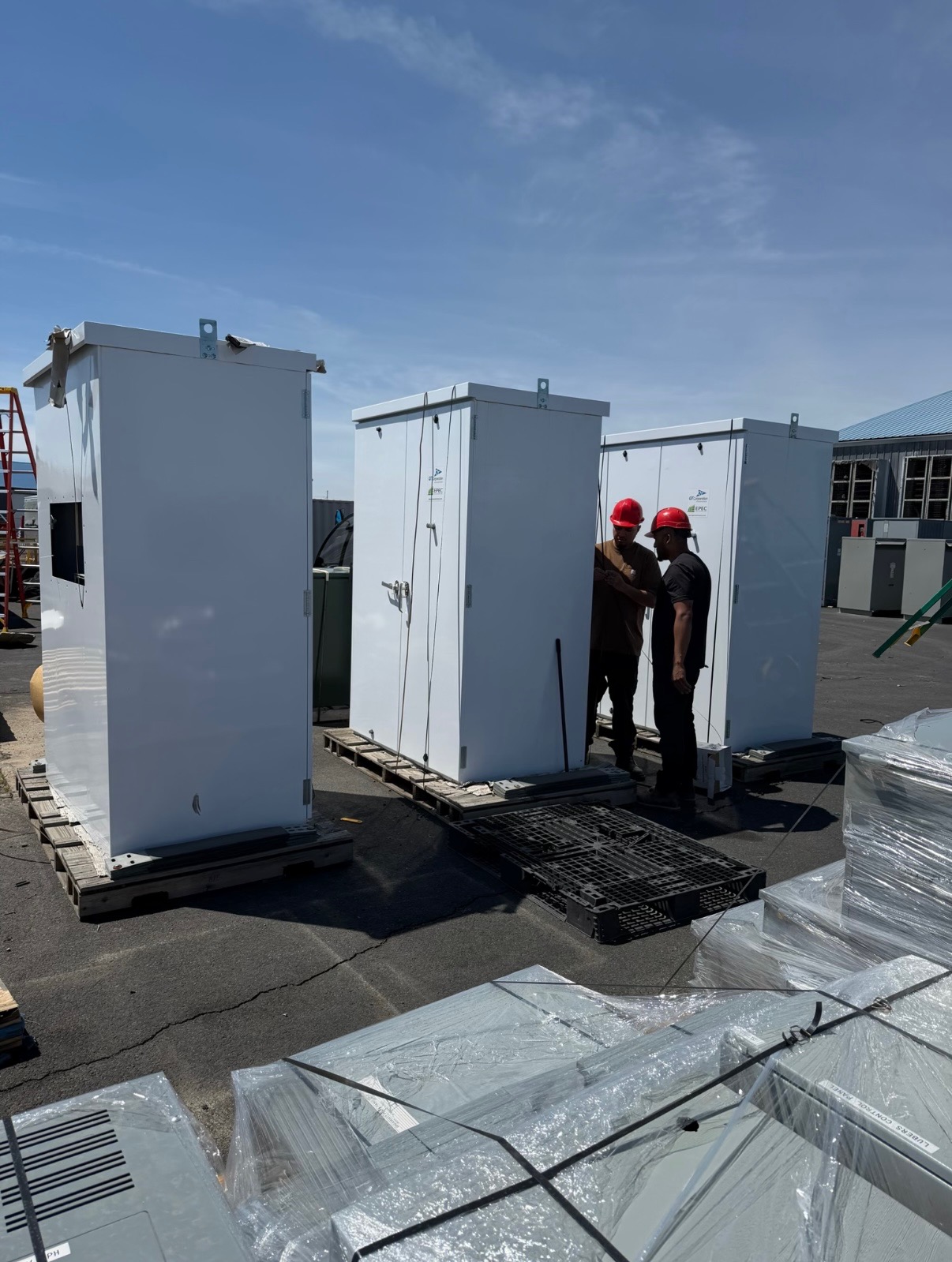
Define the lineup and the right to sell it
Identify the complete MCC lineup being offered, rather than treating the reduced-voltage starters as separate items for sale. Existing drawings or asset records can establish the section order, the main and pump-feeder sections, and any auxiliary compartments included in the lot. Tell the buyer if a section, bucket, door or other component is known to be missing, and identify any attached equipment that will remain at the site.
Before offering the assembly, establish who owns it and who can authorize its sale. A lift-station project may involve an owner, an operator and a contractor, but their roles do not by themselves establish ownership. If the equipment is a public asset, identify the applicable disposal approval and the person authorized to transfer it. Flag any existing project agreement that reserves equipment for someone else.
Describe the starting method without guessing
Reduced-voltage starting describes a way to limit starting voltage to a motor; it does not identify one particular starter design. Available records may identify a solid-state soft starter, an autotransformer arrangement or another method. Share the stated technology and any model information, along with the number of pump circuits and the location of each starter within the lineup. If the records are incomplete, say so rather than assigning a type by appearance.
Send available manufacturer schedules, one-line drawings or nameplate details that already exist in the project files. Keep the MCC's voltage rating separate from its current rating in amperes, and distinguish lineup ratings from individual starter or motor ratings. A starter's label does not automatically establish the rating of the entire assembly. Indicate whether any documented bypass hardware is included, but leave unknown details for qualified review.
Explain moisture and enclosure condition
Lift-station equipment can have a history of dampness, condensation or corrosive exposure, so describe what is actually known rather than assuming a particular condition. Existing maintenance records may mention leaks, flooding, ventilation problems or exterior rust. Note the dates and extent if documented, and distinguish a past exposure from visible damage. This context helps a buyer evaluate the complete MCC without treating it as proven serviceable.
Provide existing exterior photographs and enclosure markings when available. If new images are needed, authorized personnel can take them only from an approved safe location; the seller should not approach energized apparatus or enter a restricted area to obtain them. Do not open doors or covers, operate controls, touch conductors or perform tests. Unknown internal condition can simply remain unknown until qualified professionals assess it.
Plan around pump service and removal access
The project team should identify when the old lineup can be released without assuming the station's pumps are already out of service. Existing plans may show incoming and outgoing connections, other power sources and control interfaces that need coordination with the replacement. Qualified electrical professionals perform electrical work as appropriate, including the required isolation and disconnects; the seller must not disconnect, dismantle or otherwise work on the equipment.
Share information already available about the room, doors, route to the truck and restrictions on site entry. Recorded lineup dimensions, known weights, overhead obstructions and access drawings help the buyer plan removal; identify gaps rather than taking risks to fill them. The buyer handles crane work, rigging, loading, freight and hauling, and covers all freight. The seller should not rig, move or load the MCC.
Prepare a useful purchase-review package
Combine the section inventory with the recorded starter technology, ratings, condition history, ownership status and access information. Include existing drawings and safe exterior images where available, and identify which details are estimates or unverified. Separating what is included from what stays behind makes the offer easier to evaluate and reduces uncertainty about the boundary between the MCC and the pump system.
Submit the package for a cash purchase review of the complete lineup. The buyer pays upfront and coordinates the disconnect and removal work, including freight, rather than asking the seller to prepare or test the gear. Review is still necessary: incomplete records, condition and the final scope can affect whether an offer is made. Any removal schedule should be coordinated with the owner and project team, not presumed from the sale inquiry.
Common questions
Can I offer only the reduced-voltage starters?
This page concerns a complete pump MCC lineup, not standalone starters. Describe starters and any bypass hardware as components of the offered assembly, and disclose known missing sections or components so the buyer can review the actual lot.
Do I need to test or disconnect the MCC before requesting an offer?
No. The seller need not test the equipment and should not operate, open, disconnect or move it. The buyer handles disconnects and removal, with qualified electrical professionals performing electrical work as appropriate. Existing records and safely available exterior photographs can support the initial review.
What if the station is owned by a public entity?
Identify the entity that owns the MCC and confirm who can authorize its disposal and sale. Share any applicable approval requirements with the buyer, along with the expected point at which the equipment can be released from the replacement project.