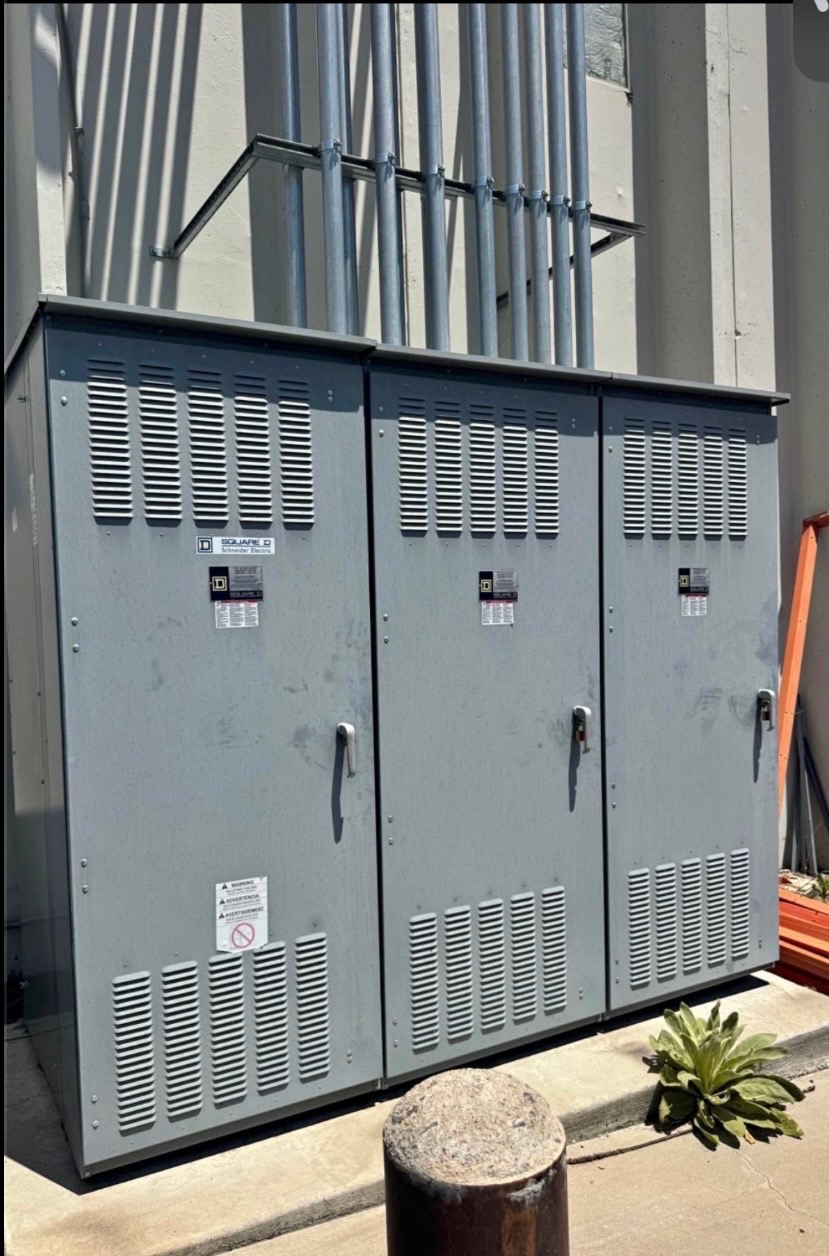
Count starters by lineup, not by assumption
For each evaporator-fan MCC, note the number of vertical sections and the apparent number of starter compartments in each section. Existing schedules, equipment lists, or labels visible from a safe position may help distinguish fan starters from spare spaces or other loads. Record identifiers as written; do not infer motor horsepower or starter type from compartment size alone.
A hypothetical lineup might have three sections and fourteen labeled fan starters, with two compartments marked spare. That count is more useful than calling it a fourteen-fan MCC if the labels are uncertain. Include any separate control or feeder sections in the description, and flag missing buckets or mismatches between paperwork and visible labels for review.
Describe refrigeration exposure and condensation history
Cold-storage service can mean repeated temperature changes, humid conditions, washdown nearby, or condensation during shutdown and restart. Share what is known about the MCC’s location and operating history, including documented water intrusion, corrosion concerns, or periods when the refrigeration system was off. Do not open enclosures or approach equipment to investigate; rely on existing records and information safely available from outside.
Exposure is a condition detail, not a verdict on reuse. For example, a hypothetical MCC may have operated in a dry electrical room serving evaporators, while another sat near a loading area where condensation was reported. Both should be described plainly rather than labeled sound or unusable. The buyer reviews those details with the equipment configuration; no seller testing is required.
Identify the equipment without confusing ratings
Photographs of safely accessible exterior nameplates and lineup labels can help establish manufacturer, model or catalog number, serial number, and stated ratings. Keep voltage and ampere ratings distinct: voltage describes the electrical system rating, while amperes describe current capacity. Neither rating can be reliably inferred from the other, from the number of starters, or from a cabinet’s dimensions.
Include available single-line diagrams, MCC schedules, purchase records, or decommissioning inventories if they are already on hand. A hypothetical schedule that identifies a 480-volt lineup and lists starter quantities can help orient a review, but it does not establish condition or completeness. Avoid removing covers, taking measurements, operating controls, or testing components to fill gaps.
Clarify what is included in the conversion scope
A cold-storage conversion may leave the MCC in place while motors, field wiring, or refrigeration equipment are removed separately. Describe what remains with the lineup: starter units, feeder sections, transformers, control components, and any associated switchboard or distribution equipment, to the extent known from records or a safe exterior view. Note known removals and incomplete sections instead of presenting the assembly as intact.
Ownership and project boundaries matter as much as the equipment description. Confirm that the seller has authority to sell the MCC and identify any landlord, lender, contractor, or project restrictions that could affect disposition. If several parties control different portions of the work, identify who can coordinate access and approve the sale; a review is not a commitment to accept every item.
Coordinate review and removal around the site plan
When contacting the Illinois buyer, provide the Bloomington, Illinois site location, approximate lineup dimensions if already documented, starter count, visible identifying information, known exposure history, and the anticipated project sequence. Mention access constraints such as restricted hours, dock or doorway limits, or a planned shutdown date if known. A few focused details help the buyer assess the specific equipment and discuss practical next steps.
The buyer states that it makes cash offers, pays upfront, requires no seller testing, and covers freight. For accepted equipment, it handles crane work, rigging, disconnects, loading, freight, and hauling, with qualified professionals performing electrical work as appropriate. Do not dismantle, rig, or move the MCC for the sale. Details and any offer remain subject to review, and payment is upfront—not after pickup.
Common questions
Should I separate evaporator-fan starters from the MCC before asking for an offer?
No. Leave the equipment in place and provide the best available count from records or safe exterior information. The buyer can review the lineup as presented; seller dismantling or testing is not required.
How should I report a history of condensation if I cannot verify its extent?
State what is documented or known, such as reported condensation, a shutdown period, or visible exterior corrosion. Clearly distinguish confirmed history from uncertainty; do not open the enclosure or investigate energized equipment.
Does a stated MCC voltage tell me its ampere rating or whether it is reusable?
No. Voltage and amperage are different ratings, and neither establishes condition or reuse suitability. Share nameplate information and available records; the buyer reviews the specific equipment and makes no automatic acceptance assumption.