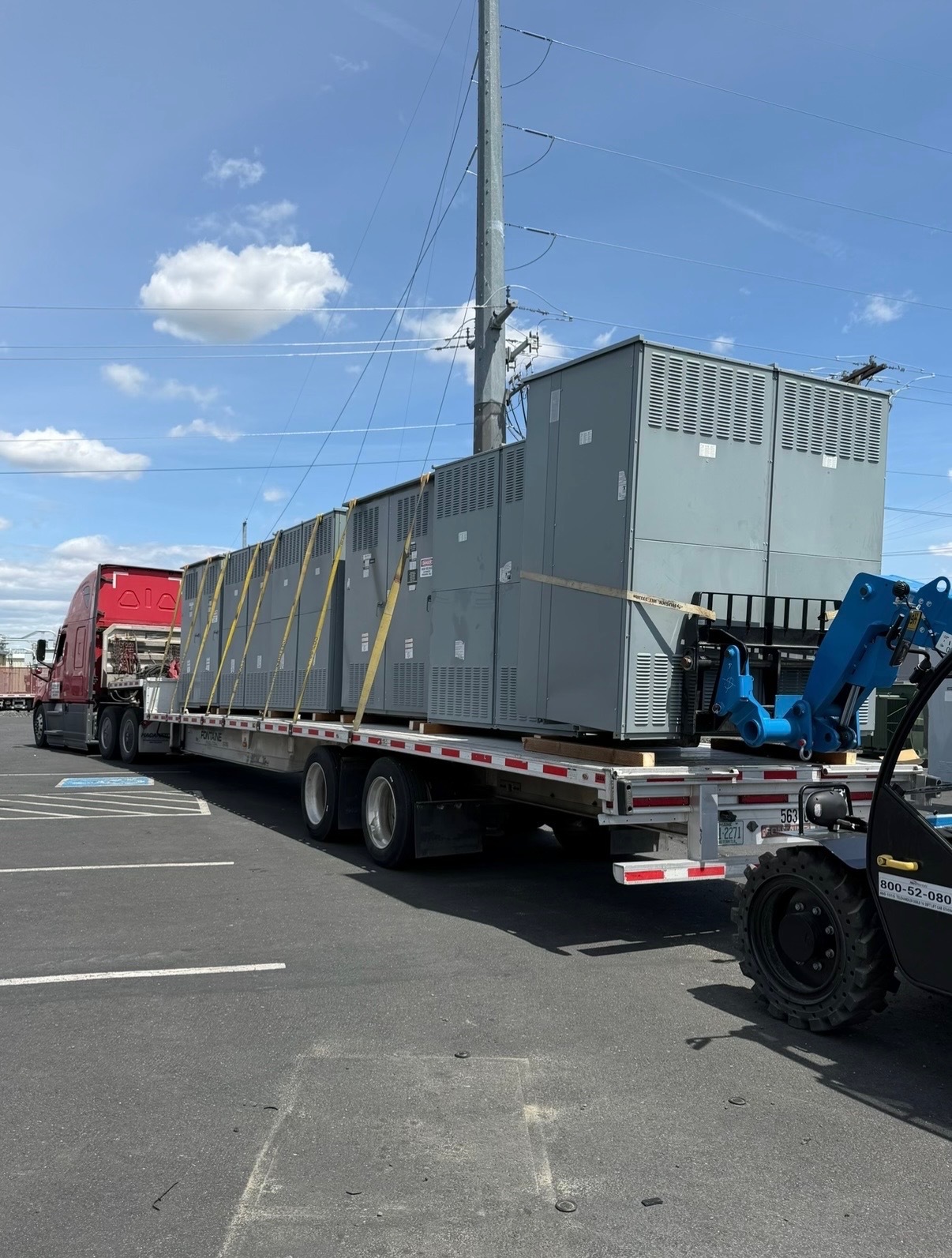
Establish voltage class from records, not a headline
Start with existing equipment schedules, one-line diagrams, purchase records, or nameplate information visible from a safe location. Record the manufacturer, model or catalog designation, serial number if available, and stated voltage. Medium-voltage describes a voltage range, but the exact rating must come from equipment documentation; it cannot be inferred from amperes, motor horsepower, or the phrase “medium-voltage MCC” in a spreadsheet.
Keep system voltage distinct from the MCC’s ampere rating. A document might list a voltage class alongside bus amperes, starter ratings, or interrupting information, and those figures serve different purposes. If records conflict, preserve the conflicting descriptions and flag them for review rather than choosing one. A buyer can consider the available documentation when discussing a possible purchase, but no rating should be represented as verified solely because it appears in a page title.
Count starter compartments consistently
A useful starter-compartment count is more precise than saying the lineup has “several buckets.” Use an existing lineup drawing, section schedule, or exterior labels to list each section and the starter positions shown within it. Note whether the count refers to installed starter compartments, spaces, or all lineup sections; those terms are not interchangeable, and a blank space is not automatically an installed starter.
For example, a hypothetical lineup drawing might show three vertical sections and six assigned starter positions, while a maintenance list names only four motors. Report both facts with their sources instead of reducing the equipment to “four starters.” If the paperwork is incomplete, say the count is uncertain. Do not open compartments or operate equipment to resolve discrepancies; use existing records and information safely visible from outside.
Describe grain-dust exposure as history, not a guess
Grain-mill service can make dust exposure relevant to condition and handling, but the mill’s use alone does not establish how much dust reached the MCC. Describe the installation location as accurately as known: for example, whether records place it in a control room, near process equipment, or in another area. If the enclosure’s exterior can be viewed safely without approaching energized apparatus, note visible condition in ordinary terms rather than diagnosing internal contamination.
Useful context may include maintenance records, enclosure or room changes, known cleaning history, and whether the lineup remained in its original location. Distinguish documented facts from recollection: “work order records periodic exterior cleaning” is different from “it should be clean.” Never open an enclosure, touch conductors, test, measure, or approach equipment that may be energized. Qualified professionals handle electrical work as appropriate; the seller need not inspect inside.
Build a concise identification packet for review
A practical first message can include the Decatur, Illinois site location, ownership contact, manufacturer and model information, documented voltage, lineup and compartment counts, and the records supporting those details. Add clear photographs only when they can be taken safely from an accessible exterior position. Include known gaps or contradictions openly; a careful qualification is more useful than a confident but unsupported rating.
Also describe configuration: section count, approximate lineup arrangement if known, associated control or transition sections, and whether loose or separately stored components are included. Do not assume every item on a nearby inventory belongs to the MCC. A hypothetical seller might identify a six-position lineup while noting that one section’s paperwork is missing. That gives the buyer a defined question to review without implying acceptance or a particular valuation.
Coordinate removal around the mill’s project plan
Explain whether the MCC is still installed, whether the area is accessible, and what site rules or scheduling constraints apply. Do not state that the equipment is de-energized unless that status has been established by the responsible site professionals. The buyer handles coordination for disconnects, crane and rigging work, loading, freight, and hauling as applicable; the seller is not expected to dismantle, test, rig, or move the equipment.
The Illinois buyer considers used, surplus, and decommissioned electrical equipment across voltage classes, including MCCs and related switchgear, switchboards, panelboards, busway, transfer switches, breakers, and unit substations. Share the identification packet and discuss the specific equipment for review. Any offer depends on that review. When a purchase is agreed, payment is upfront—not after pickup—and the stated terms cover freight; there is no seller testing requirement.
Common questions
Can motor horsepower or bus amperes establish the MCC’s voltage class?
No. They describe different electrical characteristics and do not verify voltage. Use existing nameplate information or plant records, preserve discrepancies, and label an uncertain class as unconfirmed rather than inferring it.
What should I count when describing starter compartments?
Use a drawing or schedule to separate assigned starter positions from blank spaces and lineup sections. State the source and whether the count is confirmed; do not open compartments to check.
Does grain-dust history mean the MCC must be tested before an offer?
No seller testing is required. Share documented location and maintenance history, plus safely accessible exterior observations. The buyer reviews those details; never open or test equipment to assess dust exposure.