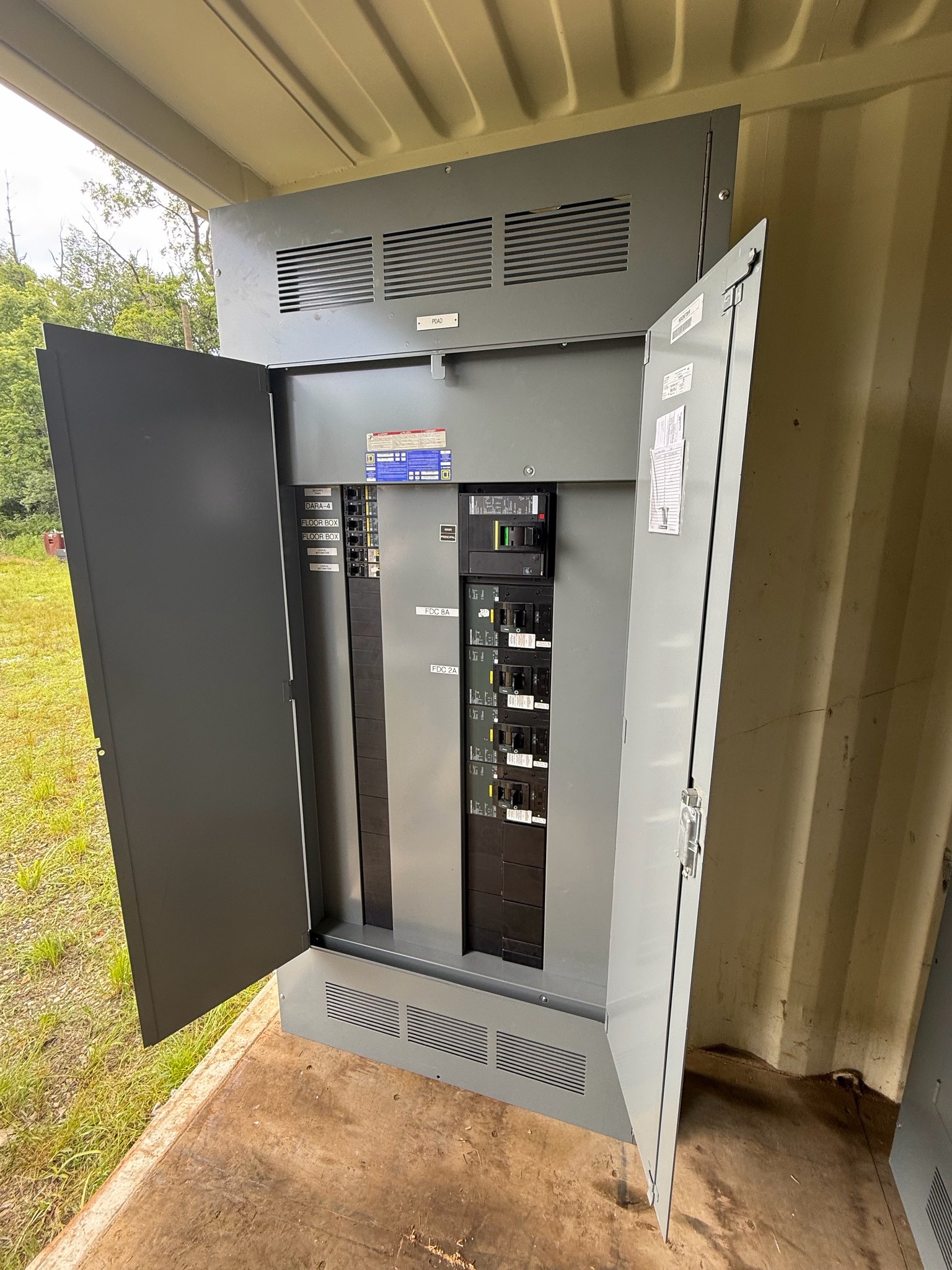
Start with the MCC identity, not a guessed specification
Cutler-Hammer Freedom identifies a product family, but it does not by itself establish an MCC’s voltage, ampere rating, short-circuit rating, or precise configuration. For an initial review, use existing equipment records and any nameplate information that can be read from a safely accessible exterior. Report the wording as shown, including model or catalog identifiers, rather than converting a family name into a rating.
Keep each number in its proper category. A bus ampere rating is not a voltage rating, and neither should be inferred from the other or from a listing title. If documentation is incomplete, say so. A hypothetical lineup marked “Freedom” with an uncertain bus rating is more accurately described that way than presented with a plausible-sounding but unverified specification.
Inventory unit sizes and positions across the lineup
A lineup is more informative when its vertical sections and unit positions are described in order. Note the number of sections, approximate section dimensions if already recorded, and the locations and apparent sizes of installed units. A unit-size description can help distinguish a small starter bucket from a larger combination starter or other assembly, but it is not a substitute for catalog documentation or a verified electrical rating.
A useful inventory might read, hypothetically: three sections, with two occupied positions in the first, a larger starter unit in the second, and several unused or blank positions in the third. Identify where each observation applies. Avoid calling every compartment a starter, and do not assume matching-looking buckets have the same internal parts or fit every Freedom lineup.
Describe completeness without treating legacy parts as interchangeable
For each position, distinguish what appears present from what is unknown: bucket or unit, door, disconnecting means, starter components, overload components, control devices, and accessible labels or paperwork. Do not open an enclosure to fill gaps. Existing drawings, parts lists, maintenance records, or photographs already taken from a safe location may clarify whether a unit is complete, modified, or missing components.
Legacy equipment can include substitutions, field modifications, and parts accumulated over time. Two units with similar fronts are not necessarily interchangeable; dimensions, mounting, connections, control arrangements, and catalog identifiers can differ. If a bucket is stored separately, identify it as loose and give its markings if available. A buyer can review that information without representing that every loose or replacement part belongs in the lineup.
Make condition and ownership clear in the first review
Describe the equipment’s status plainly: installed, removed and stored, partially stripped, or part of a decommissioned project. Mention visible exterior damage, missing doors, corrosion, water exposure, or undocumented alterations if known. These observations help frame a review; they do not require the seller to test equipment, verify operation, or make a condition judgment beyond what records and safe exterior information support.
Include who owns the MCC and whether the person arranging a sale is authorized to act for the owner. If the equipment came from a shutdown or decommissioning, explain whether it is one complete lineup or a mix of sections and loose units. The Illinois buyer reviews the described equipment and project details before making a specific offer; not every item or configuration can be presumed acceptable.
Coordinate the site handoff around qualified crews
For equipment still at a facility, share practical access details: site location, loading constraints known to the site, whether a crane or rigging plan may be needed, and any scheduling or escort requirements. Do not disconnect, dismantle, rig, or move the MCC for the buyer. Qualified professionals handle electrical work as appropriate, and the buyer coordinates the required disconnects, lifting, loading, freight, and hauling with the site.
The buyer is an Illinois purchaser of used, surplus, and decommissioned electrical equipment, including MCCs and other equipment across voltage classes. The stated terms are cash offers, payment upfront, no seller testing required, and freight covered. Payment is made upfront—not after pickup. Share the inventory and access information for review, then confirm the specific offer and arrangements before the handoff; the seller’s role is to provide accurate information and get paid.
Common questions
Does a Cutler-Hammer Freedom label establish the MCC’s voltage or ampere rating?
No. The family name identifies a product line, not those ratings. Use existing nameplate information or records, report uncertainty plainly, and keep voltage and ampere figures distinct rather than inferring one from the other.
Should I remove a Freedom bucket or test its components before requesting an offer?
No. Seller testing and removal are not required. Describe what is known from records and safely accessible exterior information; qualified professionals handle electrical work, and the buyer coordinates disconnects and removal arrangements.
What should I report if some units or legacy parts are missing?
List the occupied and blank positions, identify loose units separately, and note missing or uncertain components. Similar appearance does not establish interchangeability, so include available markings or records without guessing at fit or compatibility.