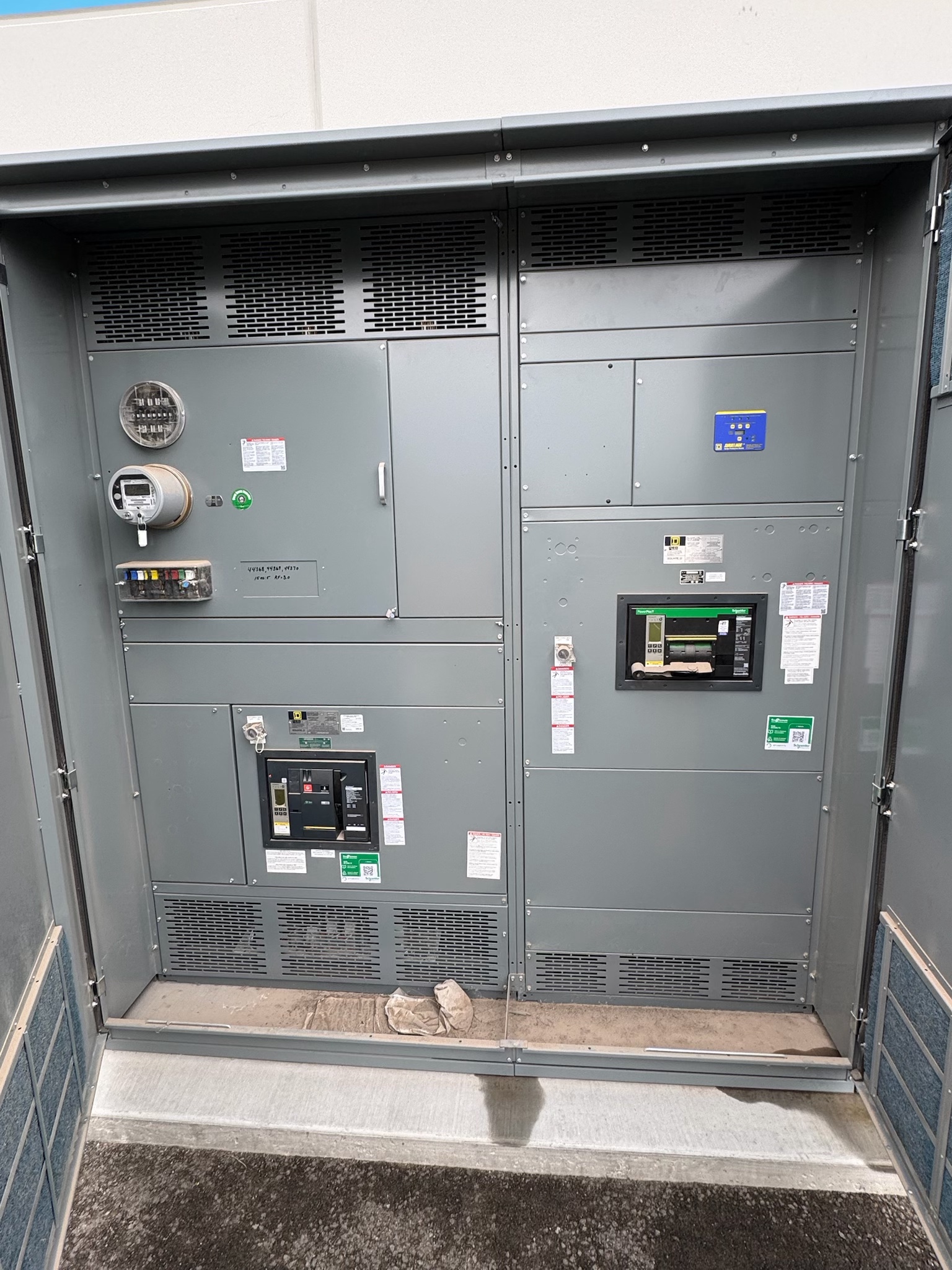
Identify the manufacturer and model
The manufacturer and model can help describe used or surplus electrical equipment, but an exact identification is not required to begin a conversation. Look at existing inventory records, invoices, or exterior labels that are already visible from a safe, authorized position. Share a photograph if one is readily available. Do not open cabinets, remove covers, or approach hazardous equipment to find a name.
Catalog numbers and equipment descriptions from existing documents can help distinguish similar products. Tell us what type of equipment you have, how many units are available, and whether it is installed or in storage. If a nameplate is missing or the manufacturer is uncertain, say so rather than guessing. We consider equipment across all voltage classes and a range of manufacturers.
Discuss a mixed-brand surplus lot
A facility may have surplus equipment from several manufacturers, and an existing list can help us understand what is included. We are an independent buyer, not a manufacturer or an authorized representative by implication. We make cash offers and pay upfront. You never need to operate or test any equipment for our evaluation, regardless of its brand or documentation status.
We handle crane work, rigging, disconnects, loading, freight, and hauling for the equipment we purchase, including during data center decommissioning and at shut-down power plants. Qualified personnel perform electrical work using appropriate site procedures; the seller does not need to arrange it. Share known access restrictions, site timing, and any existing equipment records so we can coordinate the project.
Understand the Upfront Cash Offer
We buy equipment rather than sell it, and we provide an upfront cash offer after reviewing the available information. Descriptions, existing records, and safely obtained photos help us understand what is included. You can submit a single item or describe a larger group of used, surplus, or decommissioned switchgear and related equipment for us to review.
An offer should make the proposed equipment scope and any relevant conditions clear before you decide whether to proceed. Ask about anything that is unclear, including what items are covered and how the proposed removal relates to the transaction. There is no need to prepare equipment for a demonstration or operate it in order to start a conversation.
Confirm Ownership and Sale Authority
Before a sale proceeds, identify who owns the equipment and who can approve its sale. The equipment owner, property owner, and site contact may not be the same person or organization. Tell us about any known lease, ownership question, or other party whose approval could affect the proposed transaction, so the right people can be included in the discussion.
Existing asset records or other documentation may help distinguish the equipment being sold from property that belongs to someone else. If authority or ownership is unclear, say so rather than assuming it can be transferred. We can review the proposed scope and coordinate with the appropriate contacts while the seller avoids unnecessary physical preparation of the equipment.
Describe Condition Without Guessing
Condition is useful context, but you do not have to diagnose equipment to describe it. Share observations already known from records or a safe, ordinary vantage point, such as whether gear has been stored, decommissioned, or exposed to the elements. If visible exterior damage or missing components are known, mention them rather than assuming what they mean for the equipment.
It is equally useful to say that a condition is unknown. Previous service history, age, completeness, and the reason equipment became surplus may be documented, but they are not always available. Send what you already have, and do not open equipment or investigate energized gear to fill in a blank. We can discuss the available information without asking you to test it.
Common questions
Do I need to test the equipment before requesting a quote?
No. Seller testing is not required. Send existing records or safely accessible exterior photos, and describe any unknowns. Never open, operate or touch electrical equipment merely to prepare information for an offer.
Who handles the removal and freight?
We handle all rigging and logistics, including crane, rigging, disconnects, loading, freight and hauling. Share known site access and timing details so the work can be coordinated. The seller does nothing but get paid.
What equipment and voltage classes do you buy?
We buy used, surplus and decommissioned switchgear and related electrical equipment across all voltage classes. The equipment and details of each proposed lot are discussed when you request an offer.
How do I contact the buyer?
Call (614) 715-3047, text nameplate photos to 614-715-3047, or email saleselectricalbuyers@gmail.com. You can also use the quote form on this page to provide the equipment type, location and available details.