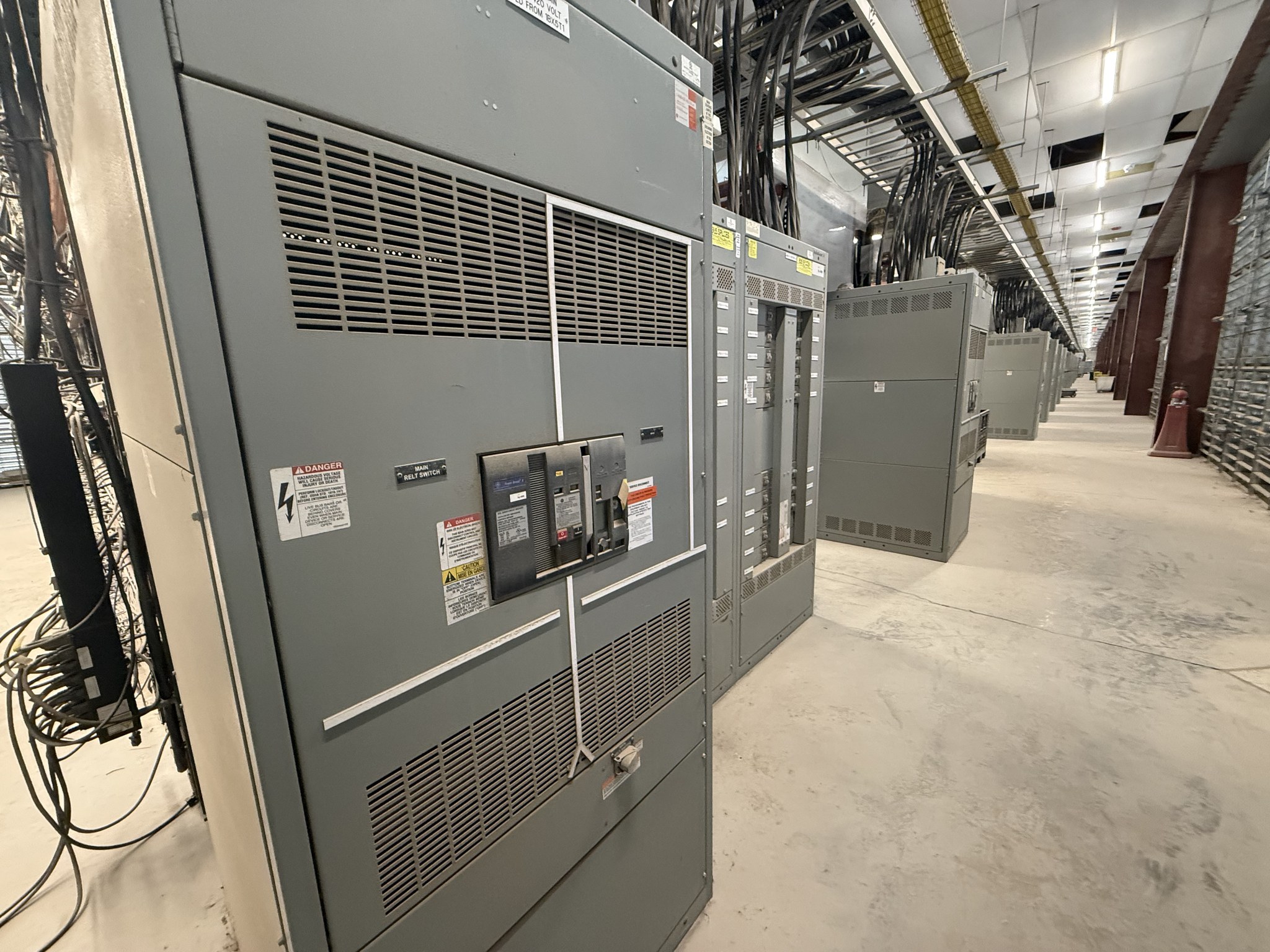
Describe voltage without a live inspection
Voltage is an important identification detail for electrical equipment, but you do not need to measure it to request an offer. Existing drawings, inventory records, or exterior labels visible from a safe, authorized location may show a rating. Tell us what the document or label describes, and note when information is uncertain. Do not open enclosures or approach hazardous equipment.
We buy used and surplus electrical equipment across all voltage classes. Share the equipment type, manufacturer, model, quantity, and whether the items are installed or already removed when known. Voltage ratings on different components of an assembly may not describe the same thing, so avoid combining them into a single assumed rating. It is fine to leave unknown specifications blank.
Sell equipment from any voltage class
Whether a lot contains switchgear, breakers, transformers, or other electrical equipment, we can discuss the available information and the practical removal requirements. We make cash offers and pay upfront. Sellers never need to energize, operate, or test equipment for our evaluation. Describe the site and your timing based on information you already have rather than conducting a live inspection.
We handle crane work, rigging, disconnects, loading, freight, and hauling, including for data center decommissioning and shut-down power plants. Qualified personnel perform electrical work under appropriate site procedures; the seller does not need to arrange it. Coordinating the site's known access restrictions and shutdown requirements helps establish a removal plan without asking the seller to handle electrical equipment.
Define What Is Included
A clear equipment scope helps everyone understand what an offer covers. Describe the switchgear and related equipment you want considered, including associated components or adjacent items when their inclusion is known. Note equipment that must remain in place or belongs to another party. Existing lists and safe overview photos can help distinguish similar-looking groups without requiring hands-on inspection.
Where the boundaries are uncertain, identify the open question instead of guessing or moving anything. We can discuss the scope before the seller decides whether to accept an upfront cash offer. The agreed scope also guides our planning for disconnects, crane and rigging work, loading, freight, and hauling, all of which we handle as part of the removal.
Build a Practical Inventory
An inventory does not need to be a formal engineering report. Start with the equipment types, approximate quantities, and locations that are already known. For example, you might identify a lineup of switchgear, several breakers, and related electrical equipment in another room. If exact counts are unavailable, an estimate or a description of the group is a useful place to begin.
Existing equipment lists, asset records, and site drawings can add context without requiring anyone to inspect or operate the gear. Tell us which records are current and which may be incomplete, and distinguish equipment available for sale from equipment that must remain. We can discuss the inventory as a whole and work through gaps in the information together.
Include Mixed Equipment Groups
A site may have several kinds of used, surplus, or decommissioned electrical equipment rather than one uniform lineup. Tell us about the switchgear and related items together, even if they differ in age, manufacturer, or apparent condition. A simple grouping by location or equipment type can help us understand the opportunity without requiring a complete inventory at the outset.
Identify anything that is not available for sale so the proposed scope does not accidentally include it. If quantities or descriptions are uncertain, mark them as estimates or unknowns. We can review mixed equipment in context and discuss an upfront cash offer for the agreed scope, while handling the disconnects, heavy handling, loading, freight, and hauling associated with removal.
Common questions
Do I need to test the equipment before requesting a quote?
No. Seller testing is not required. Send existing records or safely accessible exterior photos, and describe any unknowns. Never open, operate or touch electrical equipment merely to prepare information for an offer.
Who handles the removal and freight?
We handle all rigging and logistics, including crane, rigging, disconnects, loading, freight and hauling. Share known site access and timing details so the work can be coordinated. The seller does nothing but get paid.
What equipment and voltage classes do you buy?
We buy used, surplus and decommissioned switchgear and related electrical equipment across all voltage classes. The equipment and details of each proposed lot are discussed when you request an offer.
How do I contact the buyer?
Call (614) 715-3047, text nameplate photos to 614-715-3047, or email saleselectricalbuyers@gmail.com. You can also use the quote form on this page to provide the equipment type, location and available details.