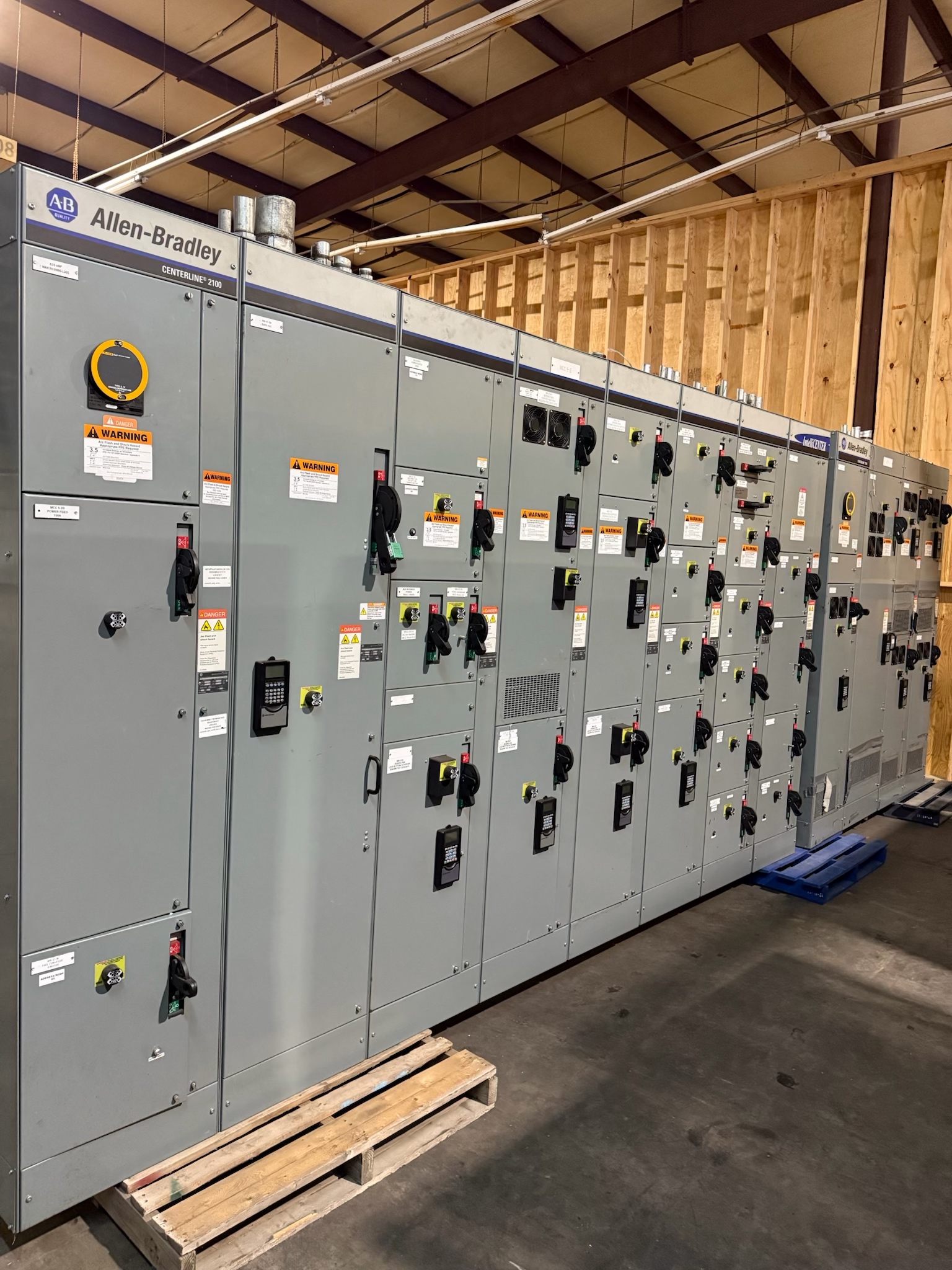
Use existing current-rating information
Amperage describes electrical current, and an equipment rating is one detail that can help identify a surplus lot. Ratings for an assembly and its individual components may differ, so specify what a number refers to when known. Use existing documentation or an exterior label visible from a safe, authorized location. Never open a cabinet or handle equipment to locate a rating.
If an inventory or drawing lists current ratings, share the relevant entries along with the equipment type, manufacturer, model, and quantity. Do not infer a rating from the size of a cabinet or from a single component. If the information is missing, say it is unknown; we can still discuss the used or surplus equipment without asking you to investigate hazardous areas.
Sell equipment at its documented rating
We consider used and surplus electrical equipment with a range of current ratings and across all voltage classes. We make cash offers and pay upfront based on the equipment and the circumstances of the transaction. The seller never needs to energize, operate, or test anything for our evaluation. Existing records are helpful, but a missing rating is not a reason to handle equipment.
We handle crane work, rigging, disconnects, loading, freight, and hauling, including for data center decommissioning and shut-down power plants. Qualified personnel perform electrical work under appropriate site procedures, and you do not need to arrange it. Share any known constraints on access or timing and identify which ratings are documented rather than presenting an estimate as a verified specification.
Use Existing Records and Safe Photos
You can introduce a potential sale with information that is already on hand. An existing equipment schedule, prior asset list, or overview photo may show the scale and location of the gear. If taking new photos is safe, wider views of accessible areas can add context; close-ups are optional, and no image is worth entering a restricted or hazardous area.
Tell us when a document is outdated or a picture may not reflect the current equipment group. Gaps and uncertainty are acceptable starting points. Do not touch or open energized equipment, operate it, or attempt to test it for a better description. We can review the material available and discuss the next steps without asking the seller to perform removal work.
Describe Condition Without Guessing
Condition is useful context, but you do not have to diagnose equipment to describe it. Share observations already known from records or a safe, ordinary vantage point, such as whether gear has been stored, decommissioned, or exposed to the elements. If visible exterior damage or missing components are known, mention them rather than assuming what they mean for the equipment.
It is equally useful to say that a condition is unknown. Previous service history, age, completeness, and the reason equipment became surplus may be documented, but they are not always available. Send what you already have, and do not open equipment or investigate energized gear to fill in a blank. We can discuss the available information without asking you to test it.
Discuss Timing and Site Priorities
Let us know the timing considerations that matter to your site, whether you are planning a closure, clearing surplus equipment, or coordinating with other work. Share any known access windows, preferred sequence, or date constraints, while noting which details are tentative. This context helps us discuss an appropriate plan without assuming that every site follows the same schedule.
The timing of an offer and removal depends on the information and arrangements involved, so discuss your needs before committing the equipment elsewhere. If priorities change, update us and identify any effect on access or scope. We handle all disconnects and removal logistics, including crane, rigging, loading, freight, and hauling, rather than asking the seller to schedule those services.
Common questions
Do I need to test the equipment before requesting a quote?
No. Seller testing is not required. Send existing records or safely accessible exterior photos, and describe any unknowns. Never open, operate or touch electrical equipment merely to prepare information for an offer.
Who handles the removal and freight?
We handle all rigging and logistics, including crane, rigging, disconnects, loading, freight and hauling. Share known site access and timing details so the work can be coordinated. The seller does nothing but get paid.
What equipment and voltage classes do you buy?
We buy used, surplus and decommissioned switchgear and related electrical equipment across all voltage classes. The equipment and details of each proposed lot are discussed when you request an offer.
How do I contact the buyer?
Call (614) 715-3047, text nameplate photos to 614-715-3047, or email saleselectricalbuyers@gmail.com. You can also use the quote form on this page to provide the equipment type, location and available details.